Aluminum Doors: Essential Benefits and Solutions for Modern Commercial Businesses
By David Harris, The Door Company of Ohio Inc.
Aluminum doors are commonly used in commercial architecture for durability, thermal performance and a refined appearance. This article reviews their core benefits—security and energy savings—plus installation, maintenance and customization to support informed facility decisions.
Key Benefits of Commercial Aluminum Doors for Businesses
Commercial aluminum doors deliver practical advantages that address typical business requirements. The primary benefits are outlined below:
- Durability: Aluminum doors are lightweight yet strong and resist corrosion, providing long service life in exposed environments.
- Energy Efficiency: Properly specified doors reduce heat transfer through thermal breaks and glazing, lowering HVAC demand and operating costs.
- Security Features: Reinforced framing and advanced locking hardware improve resistance to forced entry and enhance site security.
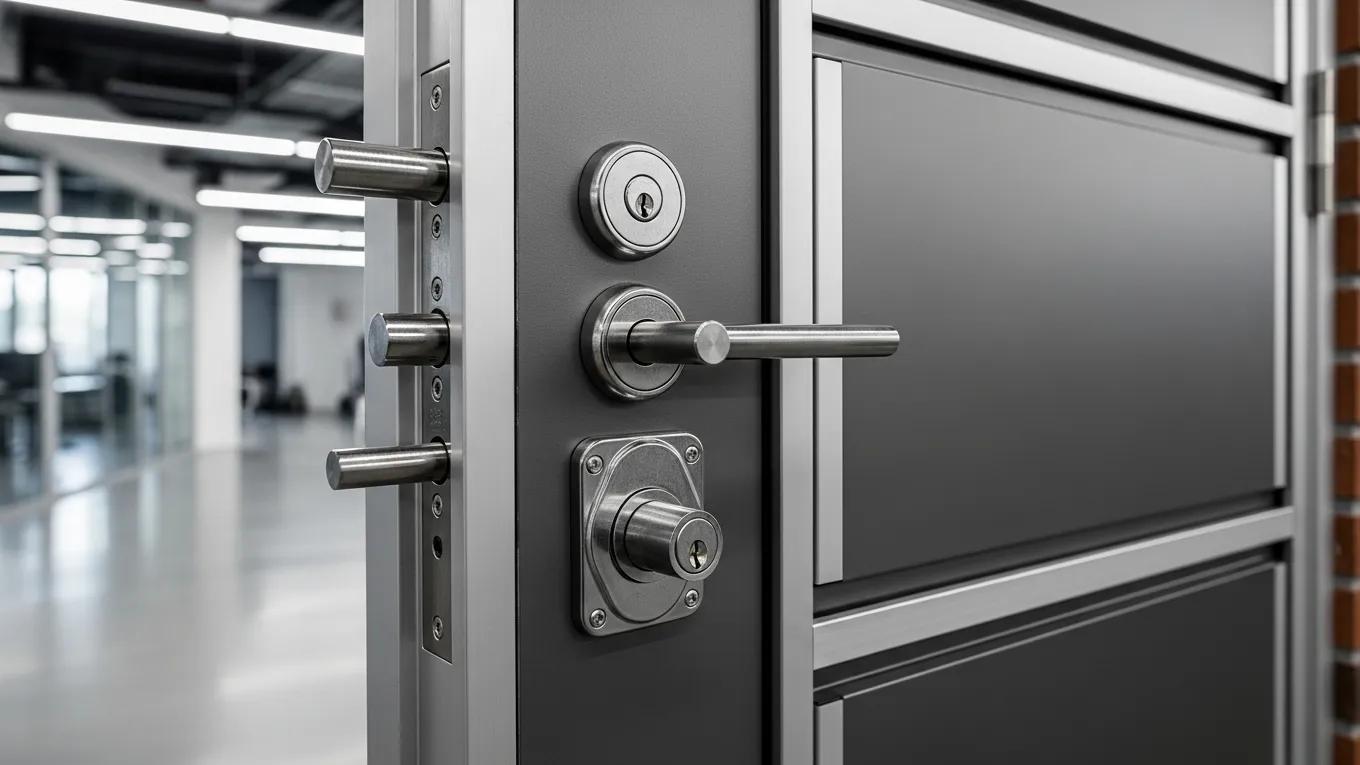
Aluminum doors are designed for frequent use and varied weather without losing structural integrity. Corrosion‑resistant alloys and reinforced frames increase impact resistance and slow deterioration. When paired with certified locking systems and installed to manufacturer tolerances, they limit access to authorized personnel and form part of a coordinated security strategy.
In What Ways Do Aluminum Doors Contribute to Energy Efficiency for Businesses?
Aluminum systems improve thermal performance with properly designed thermal breaks and selected glazing. Reducing heat transfer stabilizes interior temperatures, lowers HVAC load, and can produce measurable energy savings when products meet recognized efficiency standards.
Professional Installation Determines Impact of Performance with Commercial Aluminum Doors
Installation quality determines alignment, anchoring and sealing effectiveness. Professional installers prevent air leakage, reduce premature wear, ensure warranty compliance, and keep doors operating smoothly and securely throughout their service life.
Aluminum Door Installation Steps
The installation of aluminum doors involves several critical steps:
- Initial Assessment: Evaluate the site to determine appropriate door specifications.
- Measurement and Customization: Take precise measurements and perform necessary customization for a proper fit.
- Final Installation and Testing: Install the door and test operation, alignment, seals and security hardware to ensure compliance with standards.
Selecting an experienced provider is essential. The Door Company of Ohio specializes in commercial door solutions focused on durability, security and energy efficiency. Their technical expertise supports tailored installations that meet project specifications and long-term performance goals.
Best Practices for Maintaining and Repairing Aluminum Doors in Commercial Buildings
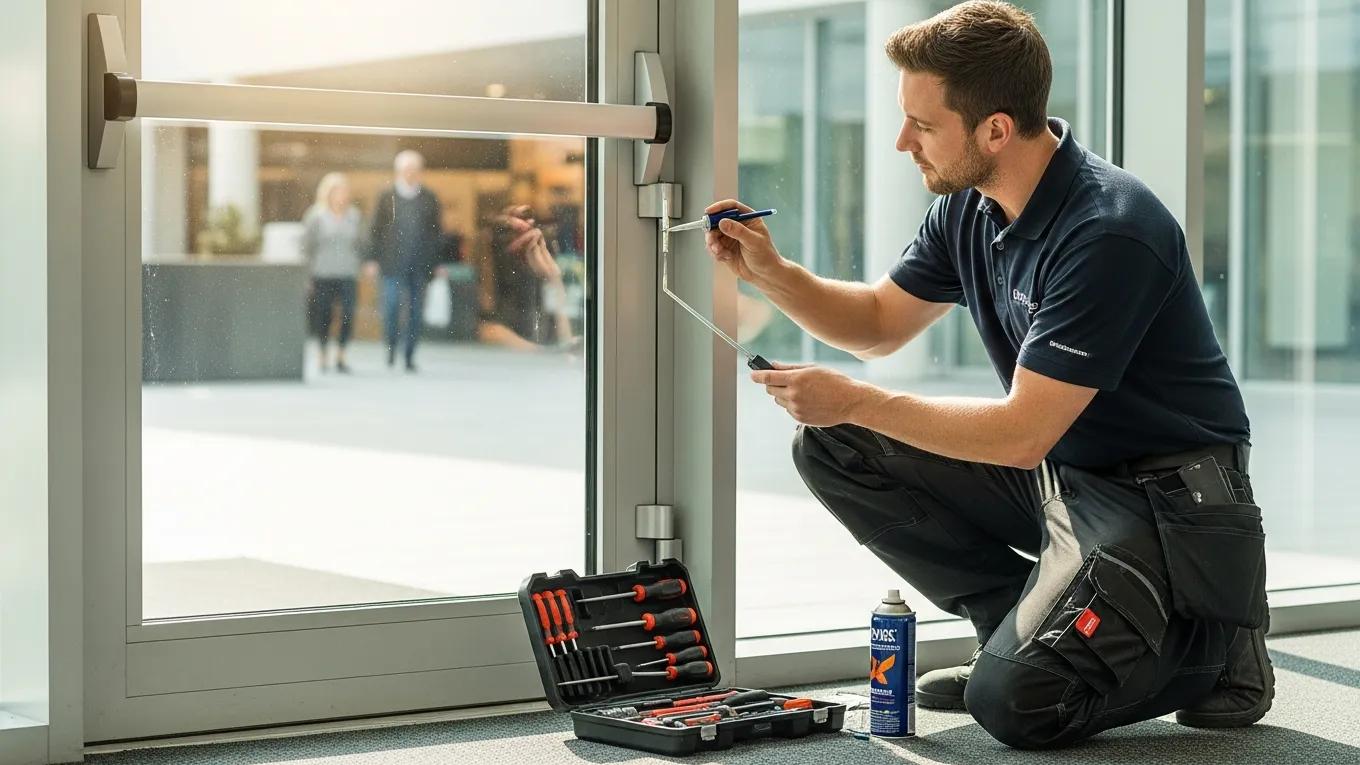
Routine maintenance preserves function and extends service life. Schedule inspections, lubricate moving parts, and repair damage promptly to retain appearance and security.
- Routine Inspections: Inspect for wear, alignment and damaged seals to catch issues early.
- Lubrication and Cleaning: Lubricate hinges and locks and clean surfaces to prevent corrosion and maintain smooth operation.
- Prompt Repairs: Fix dents, misalignment and failing hardware quickly to avoid escalation.
Maintenance frequency depends on usage. For typical commercial locations, inspect twice yearly; high-traffic or heavy-use sites should be serviced quarterly. Regular maintenance reduces repair costs and preserves security performance.
Emergency Repair Services for Aluminum Doors
Emergency services restore safe operation through rapid response, mechanical troubleshooting and corrective work for seals or alignment that affect energy performance and security.
- 24/7 Response Availability: Rapid-response teams address urgent failures outside normal hours.
- Common Mechanical Failures: Quick repairs for misalignment, broken locks or failed hardware restore functionality.
- Seal Deterioration and Alignment Problems: Timely correction preserves thermal performance and security.
Design Options and Customization for Commercial Aluminum Doors
Commercial aluminum storefront doors offer multiple specification choices, including:
- Material Choices: Select from aluminum grades to match strength and budget needs.
- Finishes and Colors: A variety of finishes and color systems align with brand identity.
- Glazing Options: Choose glazing to balance visibility, day lighting and energy control.
Custom aluminum doors combine performance and visual design to reinforce brand identity. Specifying finishes, glazing and hardware enables a door that meets access control, thermal performance and aesthetic goals.
Customization lets doors meet specific operational, aesthetic and site requirements. Tailored designs improve function, fit architectural constraints and support branded entrances.
This table summarizes the principal benefits of aluminum doors and their relevance to contemporary commercial properties. For organizations aiming to improve appearance and operation, engaging bespoke commercial door design services helps tailor aluminum doors to specific aesthetic and functional requirements.
Frequently Asked Questions
What types of businesses benefit most from aluminum doors?
Retail, office, industrial and other high-traffic or high-security facilities benefit most; aluminum suits primary entrances where durability and thermal control are priorities.
Are there any environmental benefits to using aluminum doors?
Yes. Many assemblies include recycled content, and energy-efficient systems reduce HVAC demand and related emissions.
How do aluminum doors compare to other materials like wood or fiberglass?
Aluminum resists warping and rot better than wood and needs less surface maintenance. With thermal breaks and suitable glazing, aluminum can match or exceed alternative materials’ energy performance.
What customization options are available for aluminum doors?
Options include alloy grade, surface finish and color, glazing types (tinted, fritted, frosted), and custom sizes or configurations to meet specific architectural needs.
What are the common signs that an aluminum door needs repair?
Look for difficulty opening or closing, visible dents or misalignment, drafts from gaps, and malfunctioning locks—address these promptly to preserve security and efficiency.
Can aluminum doors be installed in existing buildings?
Yes. Aluminum doors are suitable for renovations and can be fitted into existing frames or with modified frames; professional assessment and fabrication ensure a correct fit without major structural changes.
Conclusion
Investing in aluminum doors gives businesses durability, improved energy performance and enhanced security for modern commercial environments. By specifying the right components and ensuring professional installation and maintenance, organizations can optimize functionality and appearance and select customized solutions that meet operational and design objectives.