Cost Factors for Commercial Door Installation Explained
Understanding cost drivers for commercial door installation helps businesses plan accurately. This article summarizes the main cost components—door type, materials, labor—and reviews installation stages, compliance, and maintenance considerations to support budgeting and selection.
Key Commercial Door Types and Their Pricing Differences
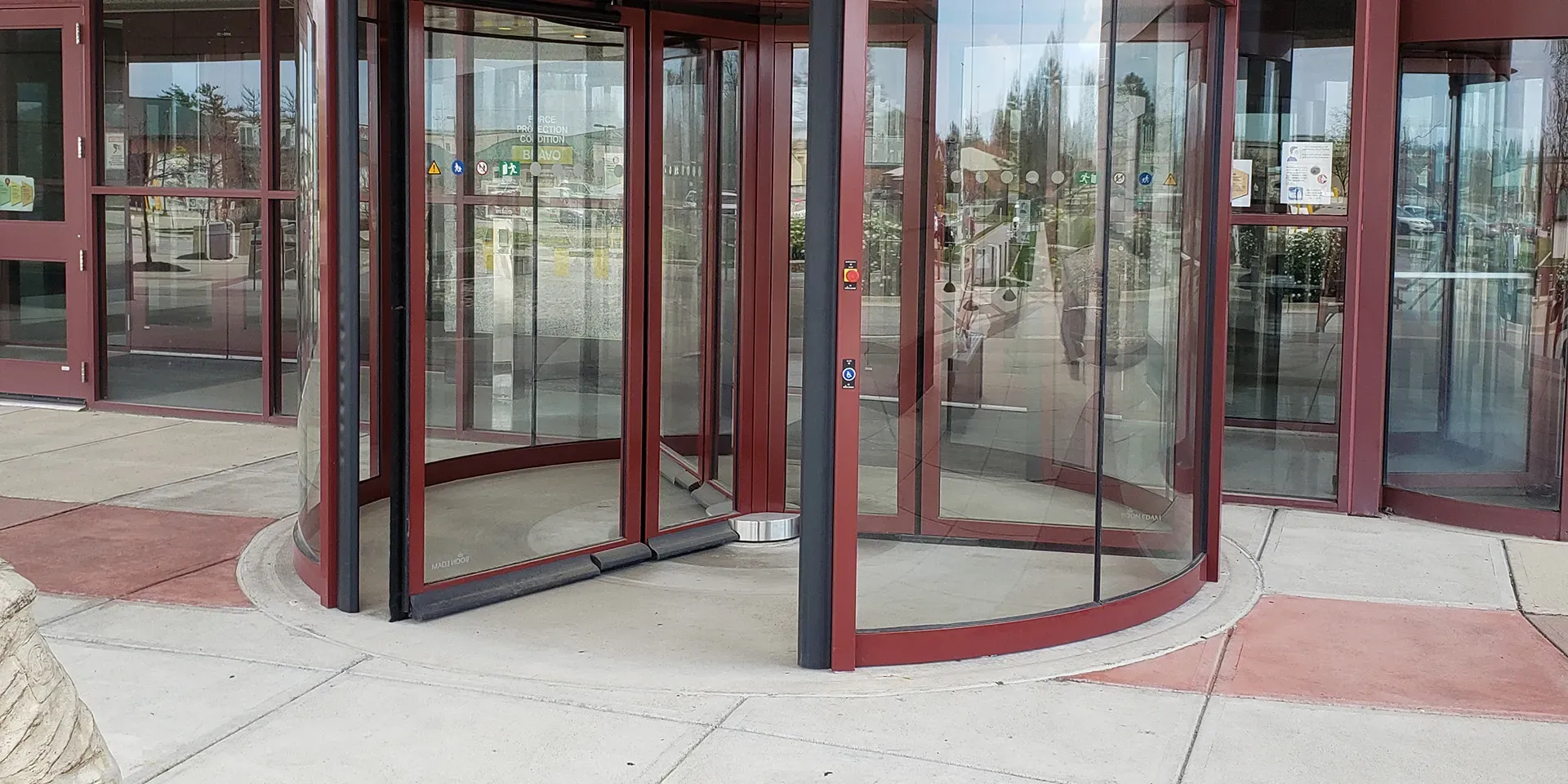
Door type and function set the baseline price. Common ranges reflect materials, insulation and hardware options.
- Steel Doors : Durable and secure; typically about $700–$2,000 depending on insulation and design.
- Aluminum Doors : Lightweight and corrosion-resistant; roughly $600–$1,500, often used for storefronts.
- Glass Doors : Aesthetic and visible; usually $1,000–$3,000 depending on glazing and framing.
Choose a type that balances cost, durability and operational needs.
How Materials Influence Commercial Door Costs
Material affects initial price and lifecycle costs through durability, upkeep needs and appearance.
- Durability: Stronger materials (e.g., steel) may cost more initially but reduce replacement frequency.
- Maintenance: Some materials require regular painting or sealing; others need minimal upkeep.
- Aesthetic: Glass and specialty finishes can add to installation and repair costs.
Weigh material trade-offs against expected use and maintenance capacity.
Most Common Door Types in Commercial Installations
Frequently selected options strike a balance between cost and function.
- Hollow Metal Doors: Common in industrial settings for security.
- Wood Doors: Used in offices for appearance but need more upkeep.
- Fiberglass Doors: Increasingly used for durability and energy performance.
Match the door type to the environment and usage patterns.
Labor and Installation Process Effects on Commercial Door Costs
Labor and installation complexity are major cost drivers. Regional rates and site conditions influence final pricing.
- Labor Cost Variations: Urban labor is commonly higher than rural rates.
- Installation Complexity: Structural modifications, custom fittings or special equipment raise labor time and cost.
Account for local labor rates and any expected structural work when estimating total cost. Compare proposals carefully: labor rates and task complexity often explain major cost differences between bids. Use a clear scope of work to get comparable quotes.
Typical Installation Steps and Timelines
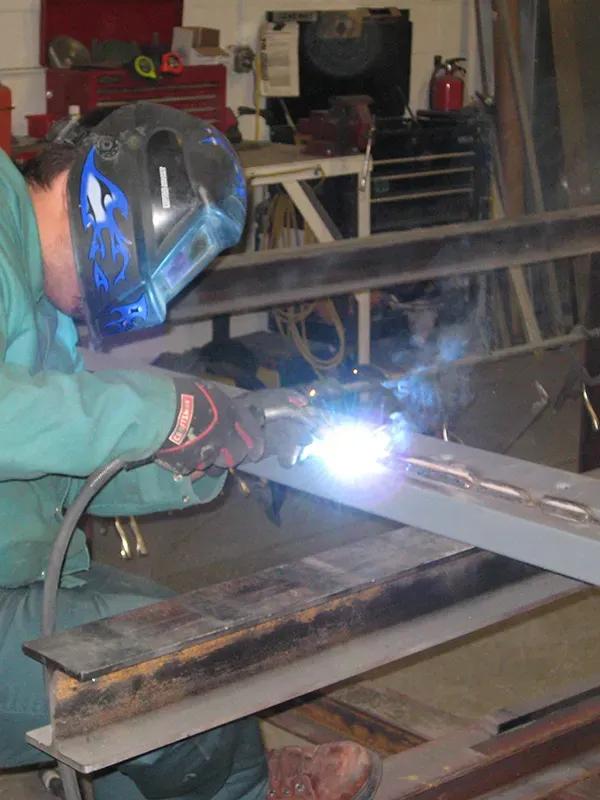
Installations follow predictable stages; time depends on complexity and site conditions.
- Site Assessment: Verify openings, structure and requirements.
- Door Selection: Choose type, finish and hardware.
- Preparation: Remove old units and prep framing.
- Installation: Fit door, install hardware and test operation.
Simple replacements can take hours; complex installs may require days.
Permits and Regulations Influence on Commercial Door Installation Costs
Local permits and code compliance can add cost and affect schedules in Ohio and elsewhere.
- Necessary Permits: Specific door types or changes may require permits.
- Compliance Costs: Modifications to meet codes or safety standards can increase expenses.
Plan inspections and documentation into your project timeline and budget. Adherence to permit requirements is essential to avoid delays and extra costs.
Commercial Door Compliance: Regulations & Building Codes
Reviews should include drawings and specifications, any on-site inspections, building permits, and confirmation of compliance with local regulations and compatibility with local fire-fighting practices. Regulations, Building Codes, Industry Standards: Compliance Documentation, 2009.
Compliance and Safety Standards Effect on Overall Costs
Codes and safety standards influence material choices, fire ratings and installation methods, which can raise costs.
- Building Codes: May require additional materials or work to meet structural and safety rules.
- Safety Standards: Fire-rated doors and related hardware typically cost more.
Ensuring compliance avoids costly rework and liability.
Building Regulatory Compliance & Fire Safety for Installed Components
Modern methods of construction (MMC) increase complexity and can challenge traditional regulatory approaches that rely on multiple inspection points. Prefabricated components require different verification methods. Fire performance concerns arise where void spaces needed for module connections can allow the spread of fire, smoke and hot gases. The discussion addresses fabrication issues, performance concerns across prescriptive, performance‑based and market‑based regulatory typologies, the verification of subsystem performance, and the compliance of installed components and whole buildings. Recommendations are provided to increase confidence and reduce risk. Fire performance and regulatory considerations with modern methods of construction, BJ Meacham, 2022.
Maintenance, Repair, and Emergency Services Effect on Commercial Door Costs
Regular maintenance and prompt repair reduce lifecycle costs; emergency work is typically more expensive.
- Regular Maintenance: Lowers repair frequency and extends life.
- Emergency Repairs: Often cost more due to urgency and after-hours work.
- Long-term Savings: Planned care reduces total ownership cost.
Budget for routine upkeep to limit costly emergency interventions.
Repair costs depend on door type and damage extent; minor repairs are inexpensive compared to full replacements.
- Typical Repair Costs: Minor fixes may be in the low hundreds; extensive repairs cost more.
- Replacement Costs: Replacements commonly range from mid-hundreds to several thousand dollars depending on type and install needs.
- Emergency Repairs: Often billed at higher rates.
Use these ranges to inform reserve budgeting and maintenance plans.
Reliable emergency services reduce downtime but can increase contingency budgets.
- Cost Implications: Emergency service premiums may apply.
- Planning: Include potential emergency costs in contingency funds.
- Service Provider: A standing relationship can improve response time and pricing.
For tailored options, exploring commercial door design services can help meet specific requirements.
Frequently Asked Questions
What are the common mistakes to avoid during commercial door installation?
Avoid improper measurements, failing to check structural conditions, and ignoring local codes. Confirm hardware compatibility and use experienced installers to reduce rework.
How can I assess the energy efficiency of a commercial door?
Check insulation, thermal performance ratings, glazing type and weatherstripping. Look for recognized certifications and consult a professional for best-fit options.
What is the average lifespan of a commercial door?
Lifespan varies: steel often lasts decades with maintenance, aluminum and fiberglass last many years, and wood requires more upkeep. Regular inspections extend service life.
What should I consider when planning for door replacement?
Evaluate condition, energy performance, security needs, code compliance and operational impact. Include installation and downtime in your plan.
How do I choose the right contractor for commercial door installation?
Select licensed, insured contractors with commercial experience. Check references, request detailed quotes and confirm code familiarity.
What maintenance tasks are essential for commercial doors?
Perform routine inspections, lubricate moving parts, clean surfaces, check seals and weatherstripping, and repair hardware promptly to prevent larger failures.
Conclusion
Understanding door types, materials, labor and compliance needs helps organizations budget and select appropriate commercial doors. Prioritize quality products, regulatory compliance and routine maintenance to improve safety and reduce total ownership costs. For project-specific guidance, consider professional design services.