High-Security Locking Mechanisms for Commercial Security Doors: Expert Solutions for Enhanced Protection
High-security locking mechanisms are essential to safeguard commercial properties from unauthorized access and theft. They provide robust physical protection and can integrate with electronic controls to improve overall safety. This article reviews types of commercial door locks, the importance of professional installation and maintenance, and the role of electronic access control. Understanding these elements helps businesses make informed choices to protect their assets.
What Are the Key Types of Commercial Door Locks?
Commercial door locks are available as mechanical, electronic, or biometric systems. Each category delivers distinct functions, advantages, and limitations. Choosing the right lock requires assessing a business’s specific security needs.
How Do Mechanical and Electronic Locks Differ in Commercial Use?
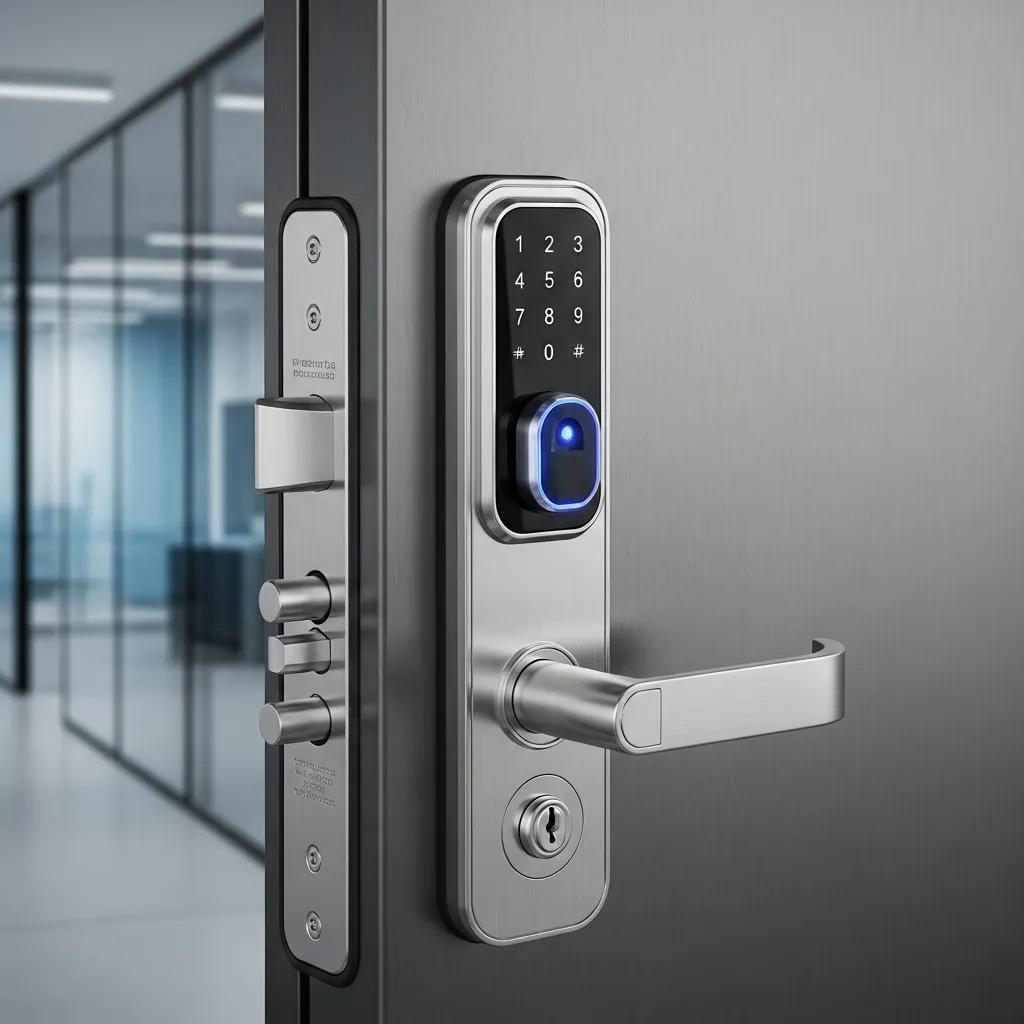
Mechanical locks rely on physical keys and internal hardware, offering a reliable, cost-effective solution with straightforward maintenance. Electronic locks use keypads, card readers, or biometric scanners and add features such as remote access and audit trails. Electronic systems typically require a larger initial investment, but their advanced capabilities often justify the cost for many businesses.
What Are the Benefits of Biometric Locking Systems for Security Doors?
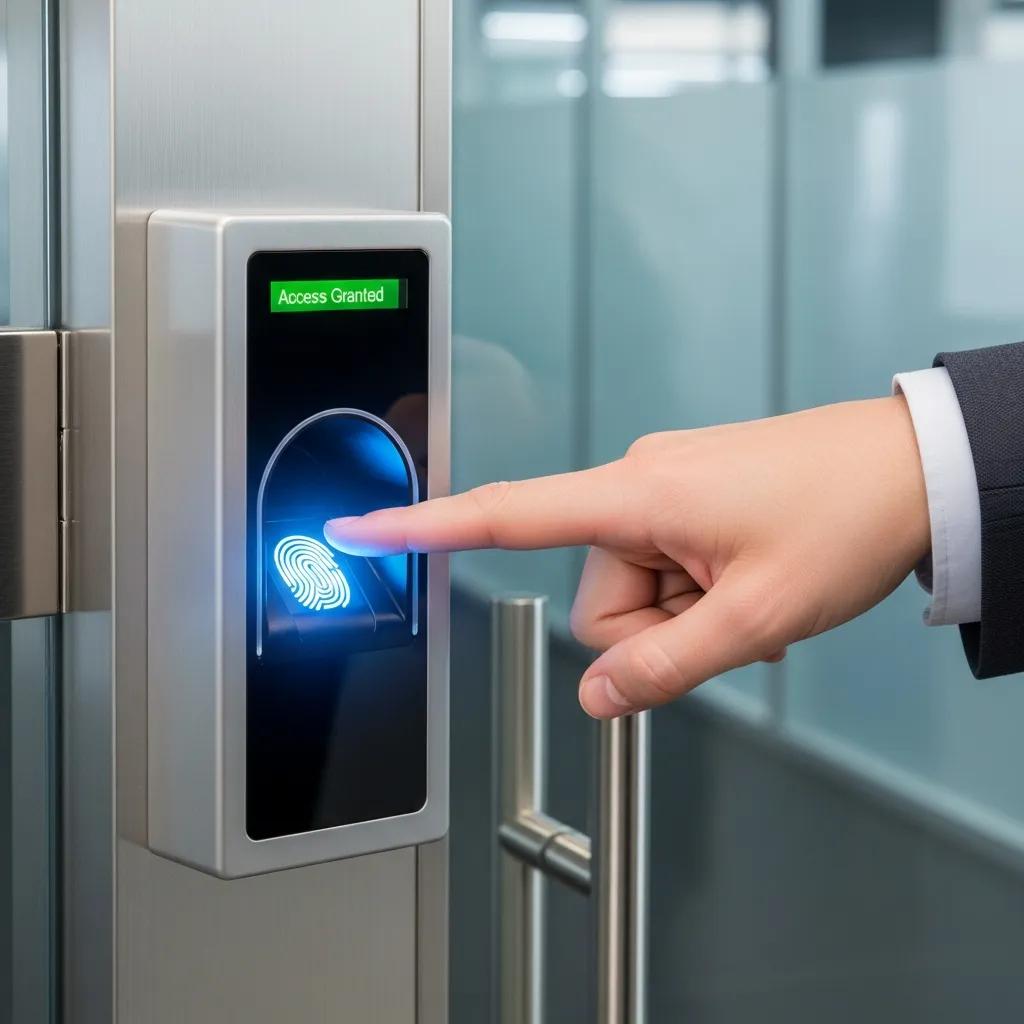
Biometric locking systems authenticate individuals by unique biological traits such as fingerprints or facial features. By eliminating physical keys, they reduce the risk of unauthorized access. Key benefits include:
The principle of using unique biological traits, like fingerprints, for secure access has underpinned biometric systems for decades.
Multifactor Biometric Door Locks for Commercial Use
Commercial deployment of fingerprint verification began in the 1970s; fingerprints serve as unique identifiers and have been used as a method of access control for doors.
Enhancing Home and Commercial Security: A Multi-Modal Authentication Framework for Keyless Door Lock Systems, C Shah, 2025
These features make biometric systems well suited for businesses that prioritize security and operational convenience.
Ongoing advancements in biometric and keyless technologies continue to extend commercial security capabilities and support integration with smart systems.
Biometric & Keyless Door Lock Systems for Commercial Security
Emerging biometric technologies can enhance security across individual systems and contribute to templates for integrated security schemes in smart homes and commercial offices.
Enhancing Home and Commercial Security: A Multi-Modal Authentication Framework for Keyless Door Lock Systems, C Shah, 2025
How Does Professional Installation Ensure Optimal Security?
Professional installation of high-security locking mechanisms is essential to their performance. Trained technicians understand system-specific requirements and install hardware to meet safety standards and manufacturer specifications. Proper installation reduces vulnerabilities attackers could exploit. The Door Company of Ohio provides commercial door services, including expert installation of high-security locks, to ensure systems operate as intended.
For businesses seeking to improve a building’s appearance and functionality, commercial door design services provide tailored solutions to specific requirements.
What Maintenance and Emergency Repair Services Support Commercial Locks?
Regular maintenance and timely emergency repairs are essential for the longevity and reliability of commercial locks. Businesses should consider the following services:
- Routine Inspections : Regular checks to ensure locks are functioning correctly and securely.
- Lubrication : Keeping mechanical components well-lubricated to prevent wear and tear.
- Emergency Repairs : Immediate assistance for lock malfunctions or security breaches.
How Often Should Commercial Door Locks Be Maintained for Reliability?
Commercial door locks should be inspected at least annually to maintain reliability; facilities with high traffic or heavy usage may require more frequent checks. Maintenance intervals depend on lock type, environmental conditions, and usage. A proactive maintenance program reduces the risk of costly repairs and strengthens security.
How Do Electronic Access Control Systems Enhance Commercial Door Security?
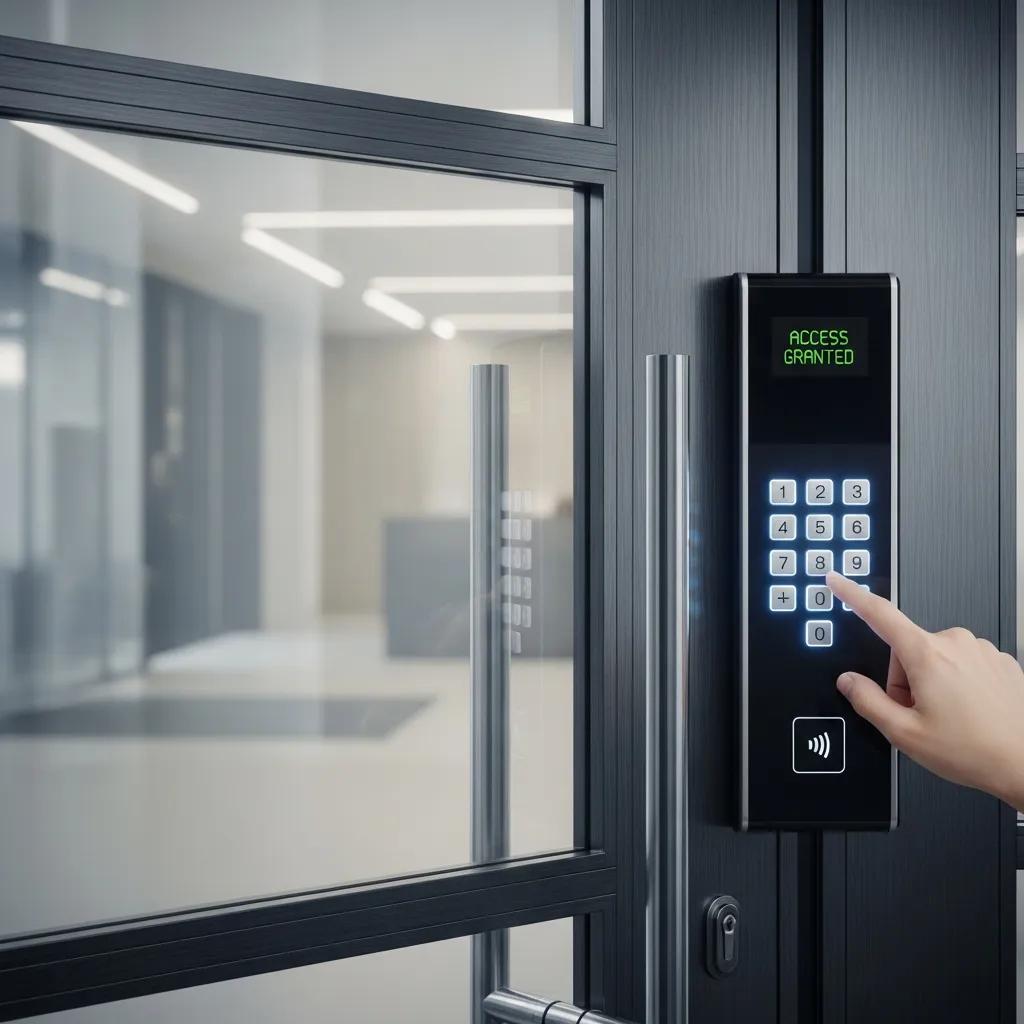
Electronic access control systems enhance commercial door security by enabling businesses to manage entry to designated areas. These systems integrate with existing measures to form a comprehensive security solution. Key benefits include:
- Controlled Access : Limit entry to authorized personnel only.
- Audit Trails : Maintain records of who accessed which areas and when.
- Remote Management : Monitor and control access from anywhere.
What Features Define Advanced Electronic Access Control Solutions?
Advanced electronic access control solutions provide the following security-enhancing features:
- Keypad Entry : Users can enter a code to gain access, eliminating the need for physical keys.
- Card Readers : Employees can use ID cards for quick access, which can be easily deactivated if lost.
- Biometric Scanners : These provide the highest level of security by using unique biological traits for identification.
Effective management of user credentials and access levels is critical to maintain robust control over entry to specific areas.
Advanced Electronic Access Control & Card Data Management
These systems enable organizations to protect, control, and manage cardholder data. This edition addresses advanced card data management and system access-level management.
Electronic access control, 2017
How Can Integration with Existing Security Systems Improve Protection?
Integrating electronic access control with surveillance and alarm systems produces a more resilient security framework. Integration enables real-time monitoring and alerting, improving an organization’s ability to respond to threats and maintain a safer environment for employees and customers.
Frequently Asked Questions
What factors should businesses consider when choosing a high-security locking mechanism?
When selecting a high-security locking mechanism, businesses should evaluate the required security level, preferred access control type (mechanical, electronic, or biometric), and site-specific vulnerabilities. Consider usage frequency, environmental conditions, and potential for future upgrades. Consultation with security professionals helps tailor solutions and ensure regulatory compliance.
How do high-security locks compare in cost to standard locks?
High-security locks generally involve higher upfront costs than standard locks due to enhanced materials and tamper-resistant features. Long-term benefits—such as reduced theft risk and potential insurance savings—can offset the initial investment. Businesses should weigh costs against potential losses from security breaches to determine the most cost-effective option.
What are the common signs that a commercial lock needs repair or replacement?
Signs that a commercial lock needs repair or replacement include difficulty turning keys, abnormal noises during operation, visible damage to the lock or door, and frequent jamming. If a lock has been compromised or there are concerns about unauthorized access, address the issue immediately. Regular inspections help detect problems early and preserve premises security.
Can high-security locks be integrated with smart building systems?
Many high-security locks integrate with smart building systems to provide enhanced control and monitoring. Integration supports remote access management, real-time alerts, and automated access logs. Combining physical locks with digital monitoring creates a more comprehensive security posture. Consult a security expert to determine appropriate integration options.
What role do access control policies play in commercial security?
Access control policies define permissions for entry to areas within a commercial property. Role-based policies ensure only authorized personnel enter sensitive zones. Regularly reviewing and communicating access rights reduces unauthorized entry risk. Effective policies should be updated to reflect personnel changes and evolving security needs.
How can businesses ensure the longevity of their high-security locks?
To maximize the service life of high-security locks, implement a regular maintenance schedule with routine inspections, lubrication of moving parts, and prompt repairs. Train staff on correct operation to reduce wear. Keep locks clean and free of debris and ensure door frames remain properly aligned to support long-term performance.
Conclusion
Investing in high-security locking mechanisms is essential to protect commercial properties from unauthorized access and theft. These systems strengthen physical security and integrate with modern electronic controls for comprehensive protection. By prioritizing professional installation and scheduled maintenance, businesses can ensure optimal system performance. Explore our range of high-security locks and take the first step toward safeguarding your assets.