Understanding NFPA Fire Door Standards for Safety Compliance
Fire doors limit the spread of fire and smoke in commercial buildings to protect occupants and property. Understanding NFPA fire door standards is essential to achieve compliance and reduce risk. This article summarizes key compliance elements, inspection and maintenance practices, repair and verification procedures, and the implications of non‑compliance. We highlight NFPA 80 provisions, inspection schedules, and practical strategies for sustained compliance. For complex commercial projects, consider consulting commercial door design services.
Key Elements of Fire Door Compliance
Reliable fire door performance depends on correct installation to NFPA standards, regular inspections by qualified personnel, and accurate records of inspections and maintenance to demonstrate compliance and accountability.
Inspection Guidelines
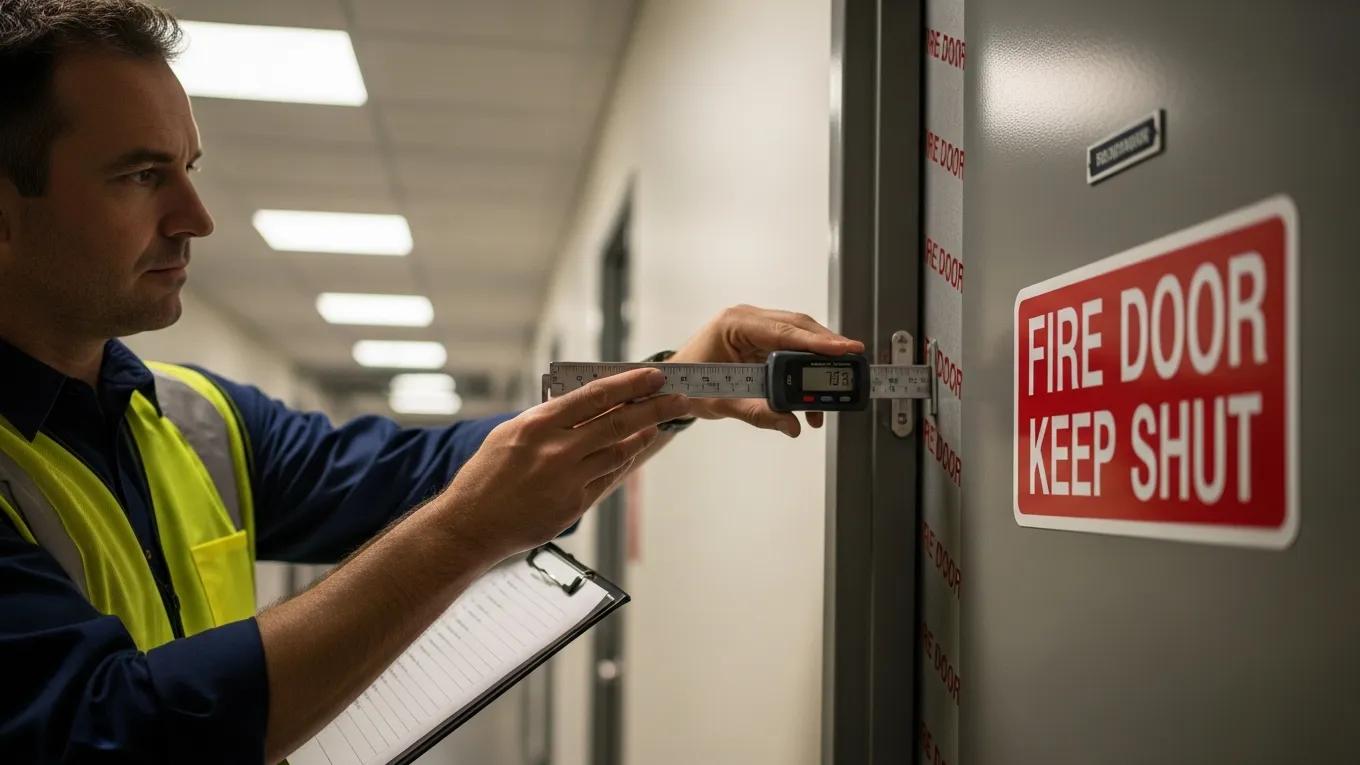
Follow established inspection guidelines to confirm doors operate and limit fire spread. Core inspection points include:
- Identify Defects: Look for visible damage (cracks, warping) that may impair performance.
- Use Proper Tools: Employ appropriate measuring devices and smoke‑testing tools for accurate assessments.
- Conduct Thorough Assessments: Perform routine, comprehensive checks to ensure assemblies meet standards.
Maintenance Best Practices
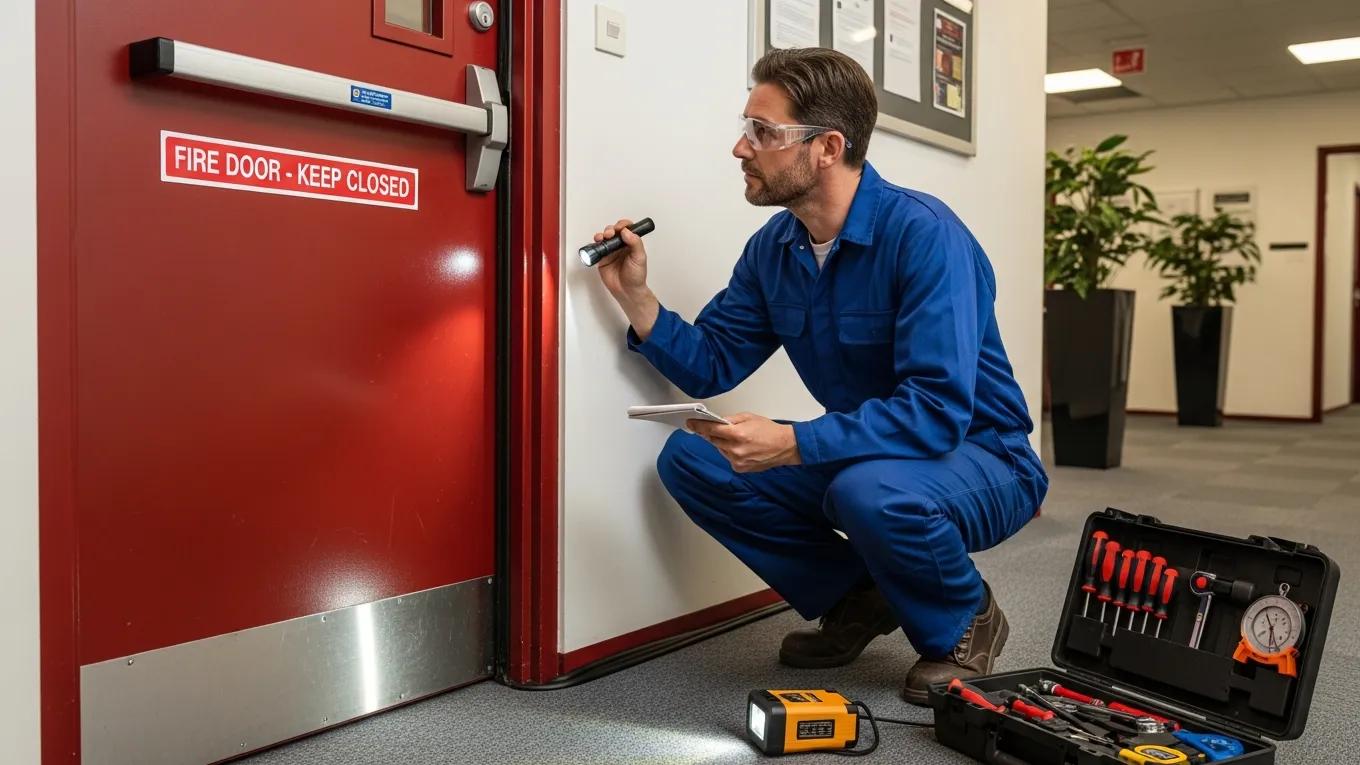
Proactive maintenance preserves door reliability. Key practices include:
- Routine Inspections: Catch issues early with scheduled checks.
- Ensure Proper Sealing: Verify seals are intact to prevent smoke and flame passage.
- Address Damage Promptly: Repair defects quickly to retain tested performance.
Repair Guidelines, Compliance Verification and Implications of Non-Compliance
Follow approved repair protocols and record all work to maintain compliance. Use certified professionals so repairs conform to NFPA requirements and preserve the door’s tested integrity.
Verification uses defined procedures, including recommended annual testing. Retain professional services when needed to confirm regulatory expectations are met.
Failure to meet fire door standards has serious consequences. The associated risks include:
- Increased Risks of Fire Spread: Non‑compliant doors may fail to contain fires, increasing damage and danger.
- Potential Legal Liabilities: Owners can face legal action if negligent in maintaining fire safety.
- Importance of Regular Inspections: Routine checks reduce these risks and protect occupants.
Key Requirements of NFPA 80 for Fire Door Compliance
NFPA 80 sets rules to ensure door performance and reliability. Principal obligations cover:
- Inspection Criteria: Regular inspections to verify safety performance.
- Maintenance Obligations: Owners must keep doors in good working order.
- Repair Protocols: Follow specified repair methods to maintain certification.
Fire Door Ratings and Labels That Ensure Compliance
Ratings and labels indicate a door’s fire resistance and traceability. Inspections should confirm labels are legible and intact so the door continues to meet its rated performance.
Fire Door Inspection Checklist and Requirements
A consistent inspection checklist supports thorough evaluations. Essential items include:
- Visual Inspection: Look for damage, gaps, or wear.
- Functionality Tests: Verify doors open, close, latch, and self‑close properly.
- Seal Integrity: Confirm seals and gasketing function as intended.
Schedule inspections (commonly annually) and increase frequency for high‑use doors. Regular checks help identify defects before they affect safety.
Schedule inspections (commonly annually) and increase frequency for high‑use doors. Regular checks help identify defects before they affect safety.
Regular Maintenance and Repairs Support Fire Door Compliance
Preventive maintenance—scheduled inspections and functional tests—identifies problems early, keeps doors reliable, and sustains compliance.
For emergency repairs, follow approved procedures, prioritize safety‑critical fixes, and document all work promptly to preserve compliance records.
Commercial properties maintain compliance by implementing the following strategies:
- Regular Inspections and Maintenance: Establish and follow a routine inspection and maintenance schedule.
- Documentation Practices: Keep thorough records of inspections, repairs, and certificates to demonstrate accountability.
Commercial Fire Door Compliance Checklist
A compliant checklist should include key documentation elements such as:
- Inspection Records: Dates, findings, and corrective actions.
- Maintenance Logs: Details of repairs and maintenance activities.
- Compliance Certificates: Evidence that doors meet NFPA standards.
Correct installation ensures the door assembly performs as tested. Adhering to installation standards and inspection requirements is essential to maintain safety and compliance.
Frequently Asked Questions
What are the consequences of failing to maintain fire doors?
Poor maintenance can allow increased fire spread and endanger occupants. Non‑compliance may expose owners to legal liability and affect insurance claims. Regular maintenance reduces these risks.
How can property owners document fire door inspections and maintenance?
Keep a detailed log with inspection dates, findings, and corrective actions. Use a standard checklist and retain compliance certificates and repair records. Digital tools can schedule work and store documentation for audits.
What should be included in a fire door inspection checklist?
Include visual checks, functionality tests, seal integrity verification, hardware confirmation against NFPA standards, and validation of the door’s fire rating label to ensure full evaluations.
Are there specific training requirements for fire door inspectors?
Inspectors should receive specialized training on fire door construction, installation, inspection techniques, and maintenance. Certification from recognized organizations improves credibility and ensures familiarity with current codes.
What role do fire door labels play in compliance?
Labels show the door’s fire rating, manufacturer, and installation details. Inspections should confirm labels are legible and unmodified, since labeling supports traceability and certified performance.
How can technology assist in fire door compliance management?
Software and mobile apps can track inspections, schedule maintenance, store records, send automated reminders, and generate reports—streamlining compliance and audit readiness.
What are the best practices for training staff on fire door safety?
Train staff on the purpose and function of fire doors, inspection basics, maintenance responsibilities, and emergency procedures. Use demonstrations, visual aids, written guides, and periodic refreshers.
Conclusion
Understanding NFPA fire door standards is essential for safety and regulatory compliance in commercial facilities. Adherence to standards, consistent inspections, timely maintenance, and proper documentation reduce the risk of fire spread and related liabilities. Use available resources to support your facility’s fire door compliance program.