Commercial Security Door Benefits You Should Know: Features, Safety, and Business Advantages
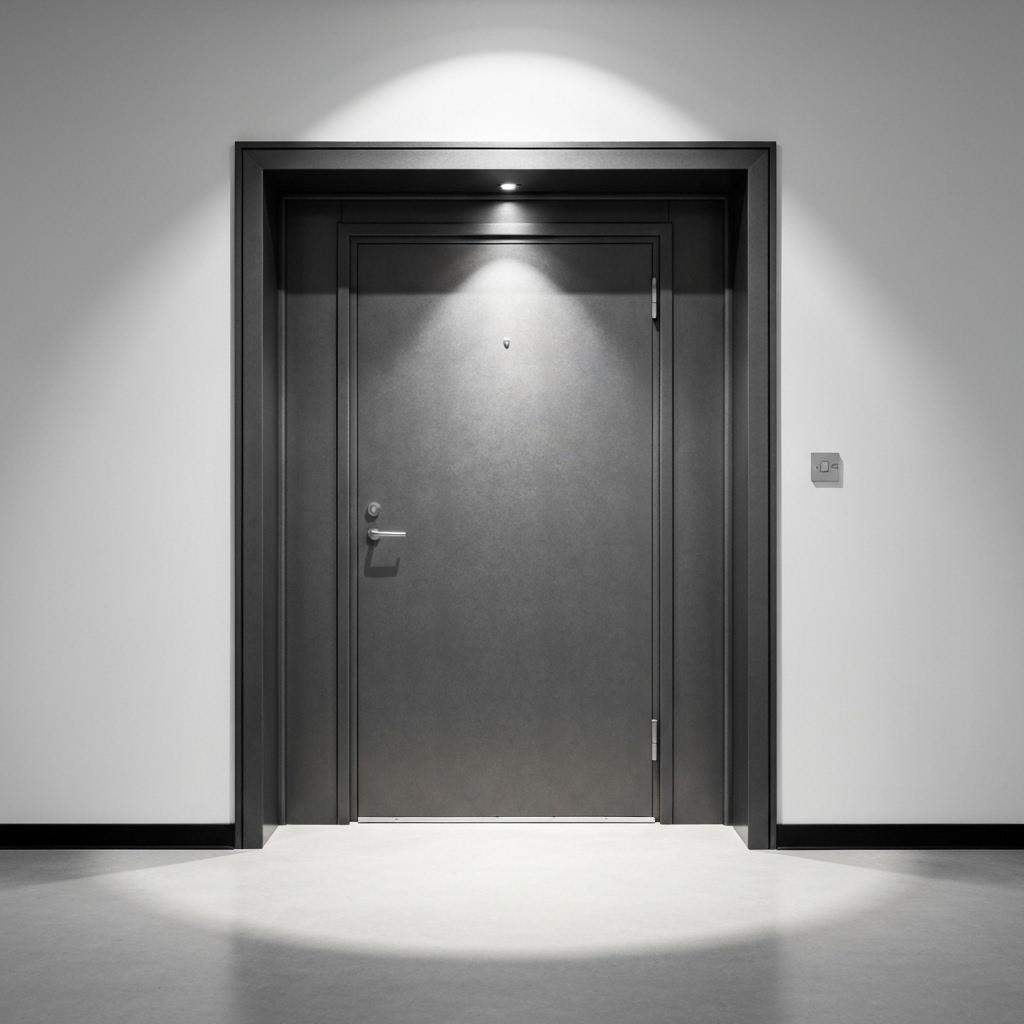
Commercial security doors form the first line of defence against unauthorised entry. Built from heavy-duty materials and paired with engineered locks, they protect premises, staff and assets while supporting compliance and long-term value.
Key Features
These doors combine structural strength with operational features to harden perimeter control.
- Robust Materials: Typically steel or aluminum, selected for impact resistance and durability.
- Advanced Locking Mechanisms: Mechanical and electronic locks, deadbolts and tamper-resistant hardware.
- Customization Options: Size, finish and security upgrades are available; see custom design options for tailored solutions.
These features reduce vulnerability at entry points and support tailored security strategies.
Safety Enhancements
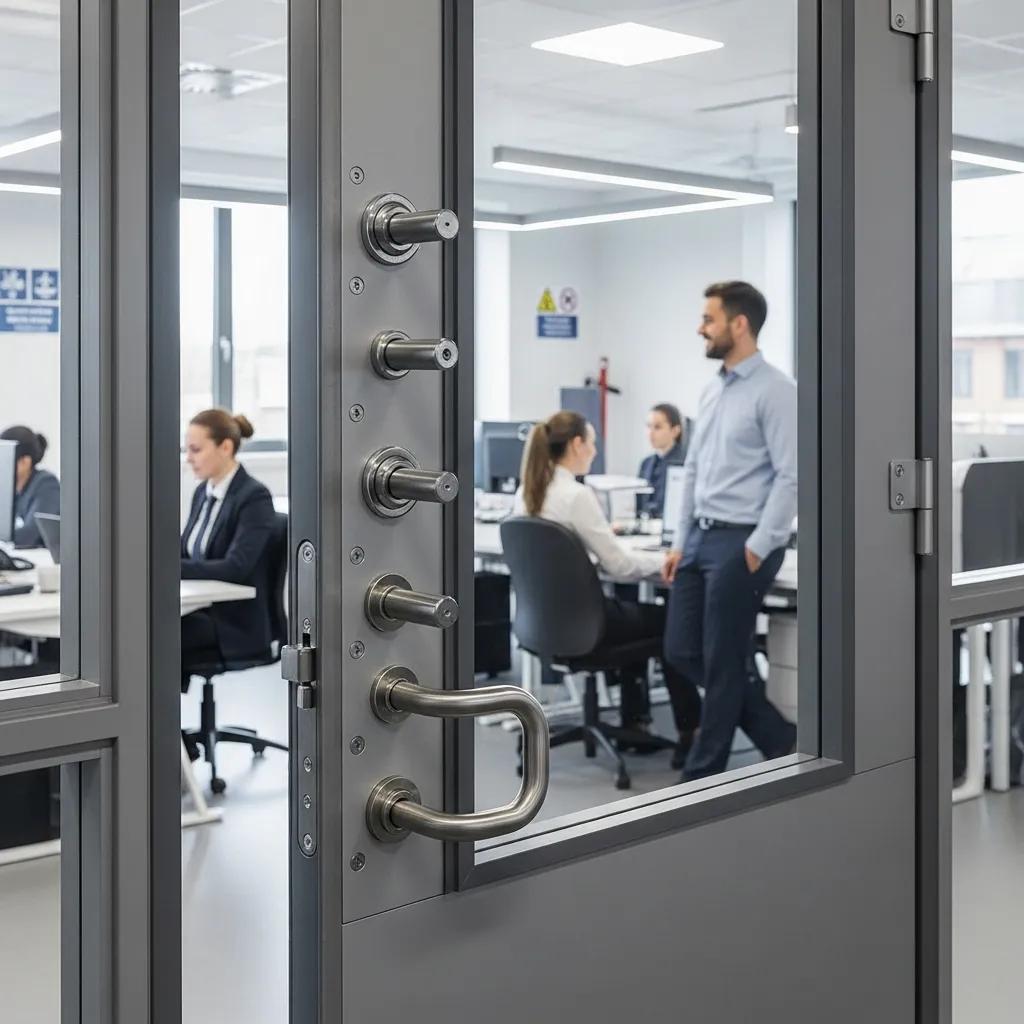
Security doors address criminal threats and emergency safety in a compact, engineered package.
- Theft Deterrence: Visible, sturdy doors lower the chance of break-ins and vandalism.
- Fire Safety Compliance: Many doors meet fire-rating requirements and help contain incidents.
- Employee Safety: Secured entries help protect staff and maintain safer workplaces.
By combining deterrence and compliance, these doors strengthen workplace safety protocols.
Advantages for Businesses
Well-chosen security doors deliver operational and financial benefits that often offset initial costs.
- Durability and Longevity: Heavy construction reduces replacement frequency and maintenance needs.
- Energy Efficiency: Insulated cores and seals improve thermal performance.
- Insurance Savings: Improved security can lower premiums and reduce loss exposure.
These advantages support lower lifecycle costs and better risk management.
What Are the Key Security Features of Commercial Security Doors?
Effective doors layer passive and active protections to resist unauthorised access.
- Types of Locks: High-security, pick-resistant locks and reinforced strike plates.
- Material Strength: Reinforced steel or composite cores for impact resistance.
- Additional Safety Mechanisms: Anti-pry edges, reinforced hinges and security screens.
Technical studies emphasise the contribution of specific components, such as reinforced hinges, to overall structural resilience under extreme loads.
Blast & Ballistic Resistance in Commercial Security Doors
The hinges used in this study are specified for security, blast and ballistic door applications. Each hinge leaf measures 0.39” in thickness and is secured to the door and frame hinge reinforcement with four 0.25” diameter screws.
Blast performance of hollow metal steel doors, 2019
Which Materials Ensure Maximum Door Durability and Protection?
Choose materials to match threat, environment and maintenance capabilities.
- Steel: High strength and impact resistance for most high-risk sites.
- Aluminum: Corrosion-resistant and lighter, suitable for many commercial uses.
- Fiberglass: Balances insulation and durability where thermal performance matters.
Select materials based on expected exposure, use frequency and maintenance plans.
How Do Fire-Rated Doors Enhance Safety Compliance?
Fire-rated doors help contain fire and smoke, protecting occupants and property.
- Fire Resistance: Tested to withstand high temperatures for set intervals.
- Compliance with NFPA Standards: Ratings and installation follow recognised NFPA methods.
- Inspection Requirements: Regular checks keep assemblies functional and code-compliant.
Adherence to established standards, such as those published by the NFPA, is essential to ensure fire-rated doors perform as intended.
How Do Commercial Security Doors Improve Business Safety and Security?
Security doors tighten perimeter control and integrate with operational security measures.
- Robust Materials: Resist forced entry attempts.
- Advanced Locking Mechanisms: Add layers of resistance to tampering.
- Integration with Access Control Systems: Enables managed entry and auditability.
Combined, these features reduce incident likelihood and support a secure environment.
What Are the Advantages of Access Control Integration?
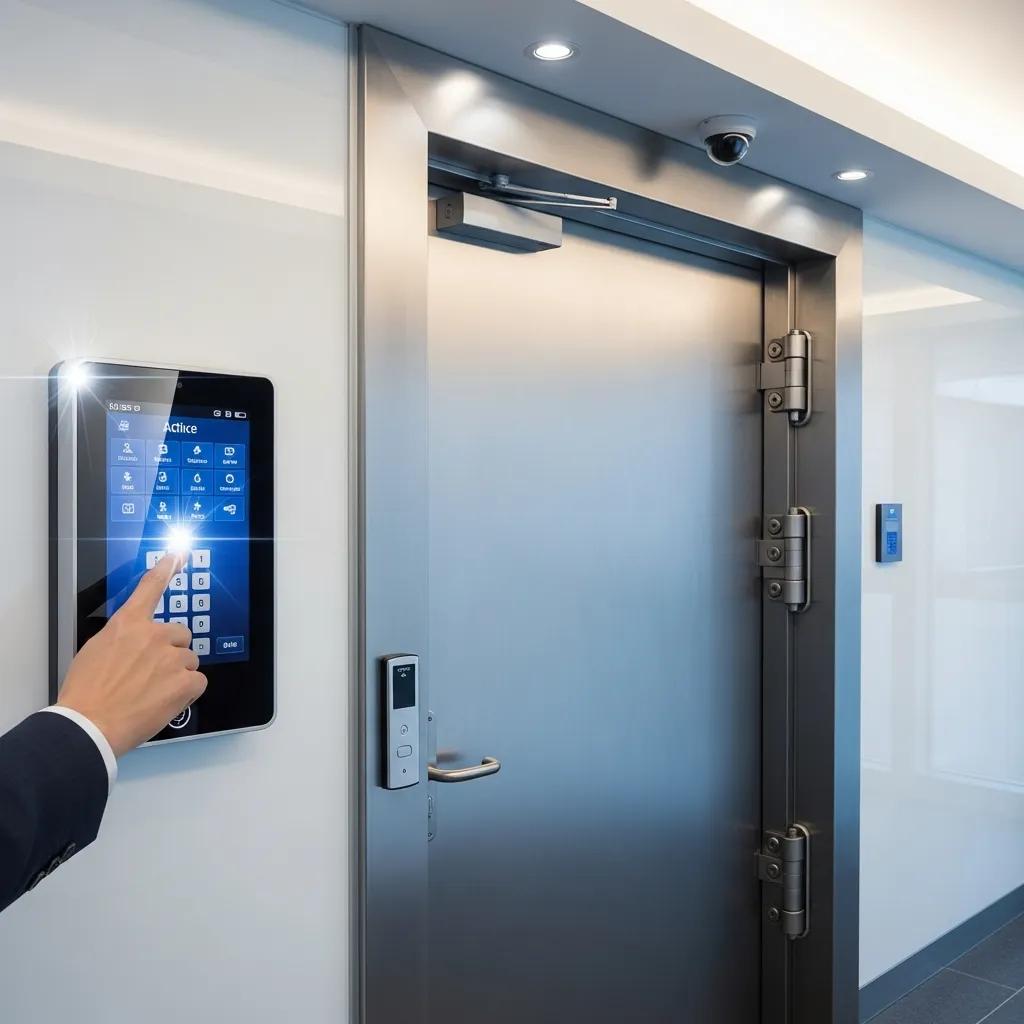
Integrating doors with access control improves control and provides forensic data.
- Controlled Access: Restrict entry by role or time.
- Enhanced Security Management: Real-time alerts and central monitoring.
- Audit Trails: Records of entries support investigations and compliance.
Integration streamlines entry management and incident response.
How Do Security Doors Meet Industry Safety Standards?
Manufacturers certify doors and components to meet applicable codes and egress requirements.
- Building Code Compliance: Installed to satisfy local regulations.
- Fire-Resistance Certifications: Verified ratings for fire conditions.
- Egress Requirements: Ensure safe and compliant exit routes.
Certifications and proper installation provide regulatory assurance and predictable performance.
What Are the Cost Benefits and ROI of Installing Commercial Security Doors?
Security doors offer measurable value through reduced losses and extended service life.
- Initial Investment: Higher upfront cost compared to standard doors.
- Long-Term Savings: Fewer replacements, lower repair and theft-related costs.
- Impact on Property Value: Enhanced security can improve marketability.
The table summarizes key financial considerations and lifecycle benefits.
Academic literature underlines the value of quantifying security benefits and introduces specialized metrics, such as Return on Security Investment (ROSI), to evaluate economic efficiency.
Quantifying ROI for Commercial Security Systems
This study aims to identify general patterns in the efficiency of electronic security systems used in commercial security management and to propose mathematical models for quantifying their economic performance. The research argues that assessing the efficiency of security measures is a necessary part of modern security management and suggests adapting classical economic evaluation methods. The study introduces the concept of Return on Security Investment (ROSI) as a tailored metric for these assessments.
Economic efficiency of the electronic security systems in security management of commercial activities, M Nastase, 2007
How Does Maintenance and Emergency Repair Support Door Longevity?
Routine care and swift repairs preserve function and extend service life.
- Regular Maintenance Practices: Inspections, lubrication and seal checks prevent failures.
- Emergency Repairs: Fast responses limit damage and downtime.
- Cost-Benefit Perspective: Preventive maintenance reduces long-term expenditures.
A planned programme and rapid repair service protect the door investment.
What Custom Design Options Are Available for Commercial Security Doors?
Customisation aligns appearance and performance with operational needs.
- Aesthetic Preferences: Colours and finishes that match branding.
- Additional Features: Reinforced frames, specialised locks and hardware.
- Tailored Solutions: Designs adapted for industry-specific challenges.
Custom options help balance security, function and visual requirements.
Frequently Asked Questions
What types of businesses benefit most from commercial security doors?
Retailers, warehouses, financial institutions and regulated facilities (healthcare, education) benefit most, as do any organisations with valuable inventory or sensitive operations.
How do commercial security doors contribute to energy efficiency?
Insulated cores and proper weather stripping reduce heat transfer and air leakage, lowering HVAC load and utility costs.
What are the maintenance requirements for commercial security doors?
Periodic inspections of locks, hinges and seals, routine cleaning and annual professional servicing preserve performance and longevity.
Can commercial security doors be integrated with existing security systems?
Yes. They commonly integrate with surveillance, intrusion detection and electronic access control for centralised management and coordinated response.
What is the typical lifespan of a commercial security door?
Lifespan varies by material and use; well-maintained steel doors often provide multi-decade service, while maintenance extends life for all types.
Are there specific certifications for commercial security doors?
Yes. Look for fire-resistance ratings (e.g., NFPA/UL standards) and impact or forced-entry certifications where applicable.
Conclusion
Commercial security doors strengthen protection, support compliance and can lower total cost of ownership through durability and reduced risk. Assess facility needs and consult qualified suppliers to choose doors that meet your security and operational objectives.