Why Choose a Revolving Door for Your Business: Energy Savings and Enhanced Customer Experience
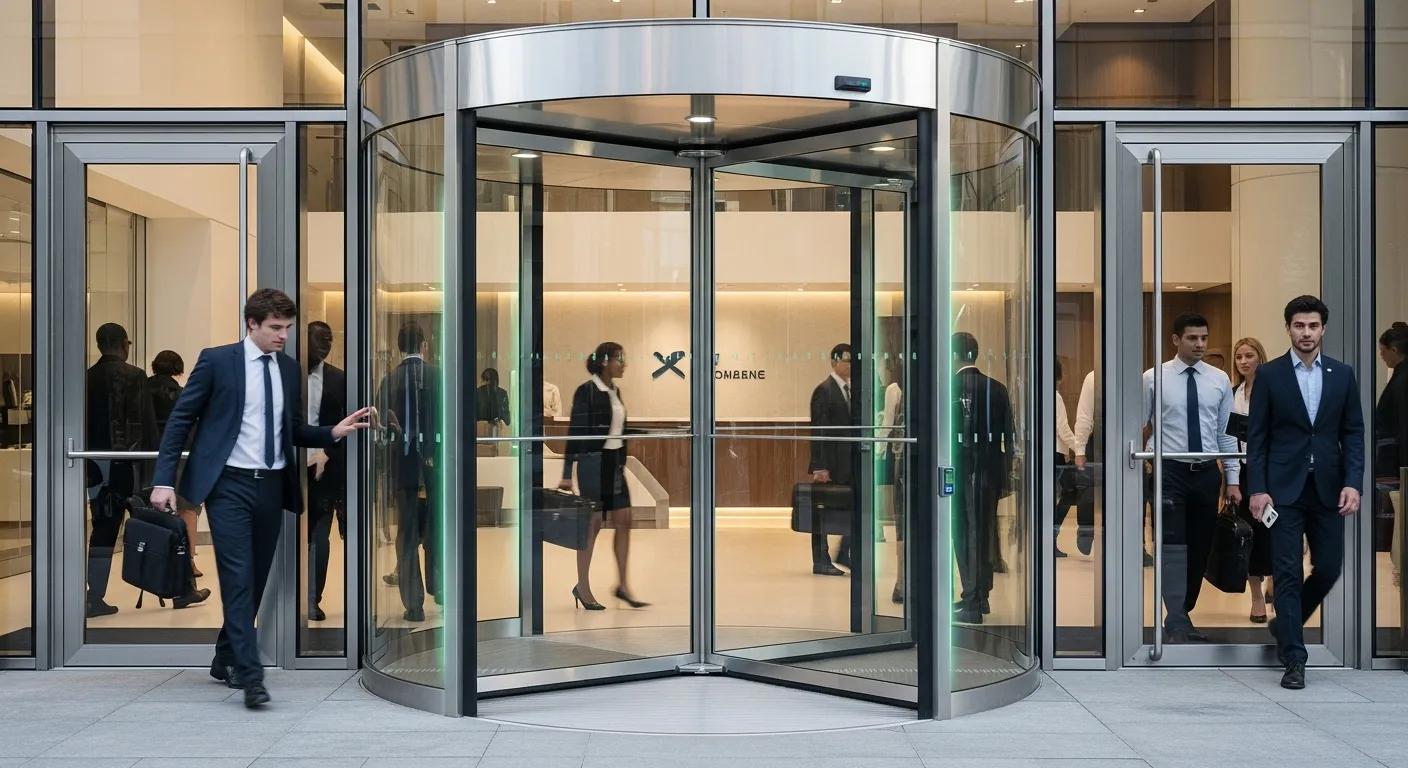
Revolving doors offer businesses a practical way to cut energy loss and improve customer experience. They create an attractive entrance while limiting air exchange, which helps reduce utility bills. This article summarizes the main benefits of commercial revolving doors: energy savings, design options, improved customer flow and safety, plus maintenance tips to keep them performing well.
What Are the Energy Efficiency Benefits of Commercial Revolving Doors?
Commercial revolving doors are designed to reduce heating and cooling loss, helping lower energy use and costs. By separating the interior from the outside, they limit air transfer and temperature swings, reducing HVAC demand and supporting a smaller carbon footprint.
For businesses in Ohio,
The Door Company of Ohio, Inc.
specializes in supplying revolving doors built to improve energy performance. Their products meet the needs of architects, contractors, and property managers while maximizing energy savings for each installation.
How Do Revolving Doors Reduce Energy Loss Compared to Traditional Doors?
Revolving doors prevent a direct airflow path between inside and outside. Unlike swinging doors that can remain open, revolving doors keep a continuous barrier that cuts drafts and stabilizes interior temperature, reducing load on heating and cooling systems.
Research and real-world applications show that revolving door technology can meaningfully reduce energy consumption across building types.
What Are the Latest Energy Efficiency Ratings for Revolving Doors?
Revolving door performance is measured against standards such as ASTM and ASHRAE. Many modern models meet or exceed these benchmarks for insulation and air retention, giving businesses a clear way to compare models and choose options that deliver measurable energy savings.
Which Design Options Are Available for Commercial Revolving Doors?
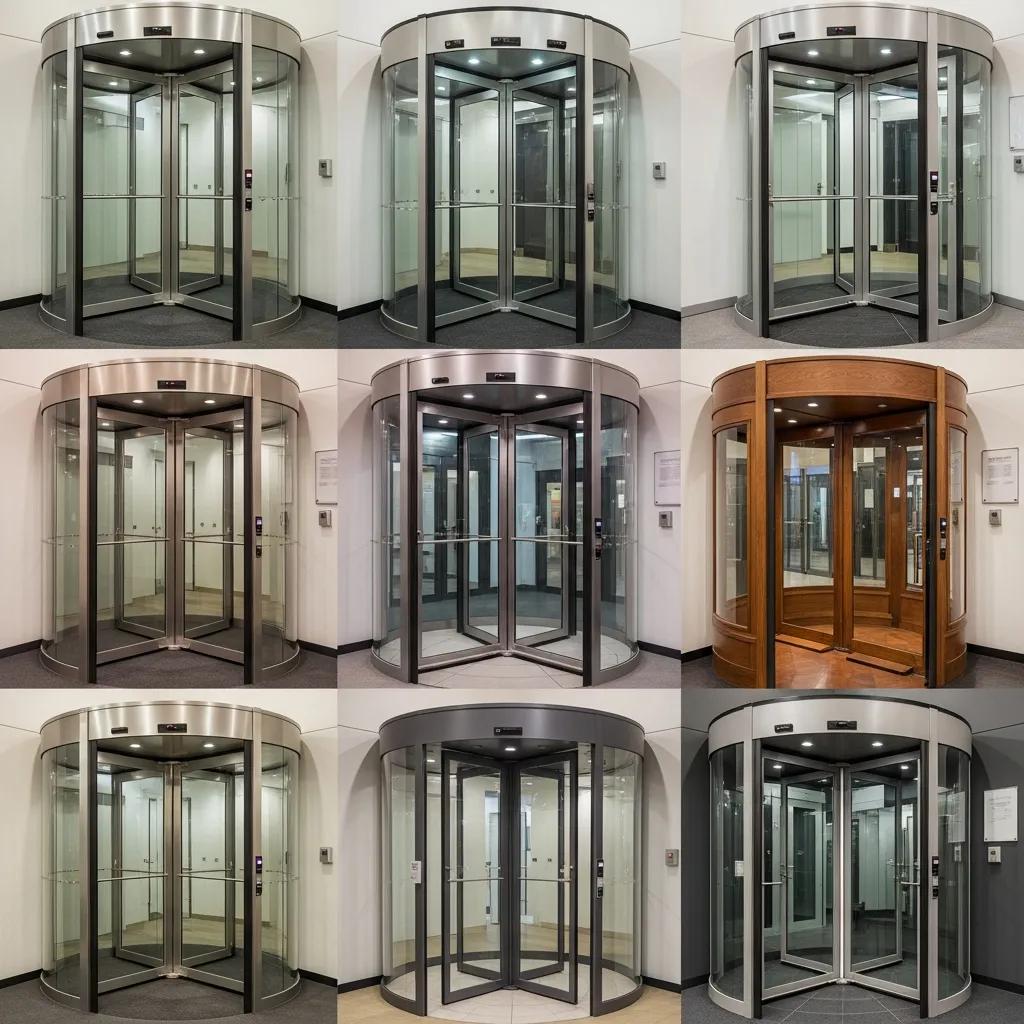
Commercial revolving doors come in a range of styles, materials, and drive systems so businesses can match appearance with function. Choices include different finishes, glazing options, and control systems to fit your building’s brand and architectural needs.
What Automatic and Manual Systems Can Businesses Choose From?
Revolving doors are available in automatic and manual configurations. Automatic systems suit high-traffic entrances for smooth, hands-free access; manual systems work well for smaller sites or budget-conscious projects. The right choice depends on traffic patterns, accessibility requirements, and budget.
How Can Design Flexibility Enhance Business Aesthetics and Functionality?
Door design affects both image and function. Custom glass panels, finishes, and trim let businesses create an inviting entrance that reflects their brand while keeping customer flow efficient.
How Do Revolving Doors Improve Customer Experience and Safety?
Revolving doors move people in and out more smoothly, reducing queues and congestion. They also integrate safety features that protect users and improve overall security compared with some traditional door setups.
What Safety Features Make Revolving Doors Safer Than Swinging Doors?
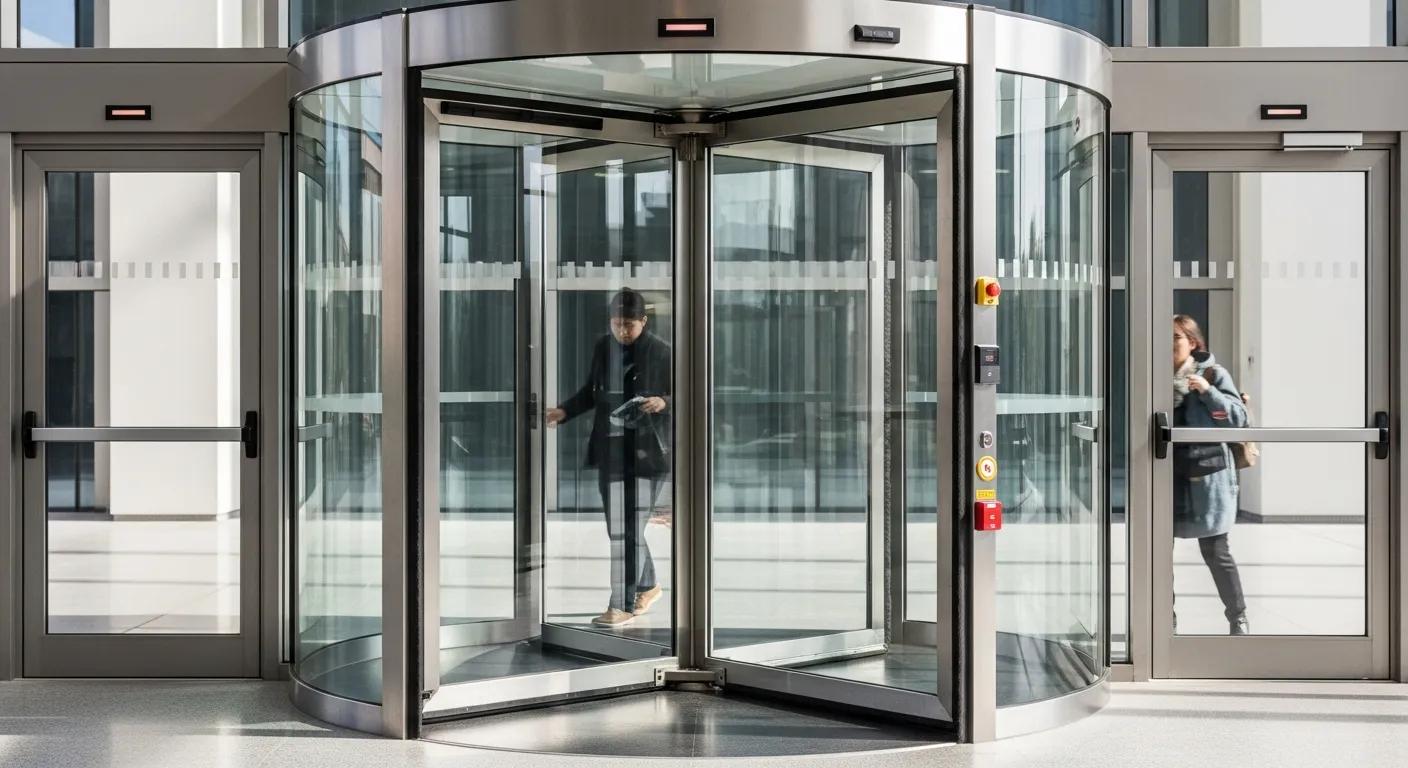
Revolving doors include sensors that detect obstacles and stop movement to prevent injury. Their enclosed design reduces unauthorized access risks, and many units feature emergency breakaway wings or compliant elements to meet accessibility rules.
How Do Revolving Doors Optimize Customer Flow and Accessibility?
The continuous movement of revolving doors maintains steady throughput, cutting bottlenecks at busy entrances. Modern installations often include adjacent swinging doors or automatic override options to accommodate people with disabilities and improve accessibility.
What Are Essential Maintenance Tips for Long-Lasting Revolving Doors?
Regular maintenance keeps revolving doors safe, efficient, and extends their service life. Routine care ensures reliable operation and preserves energy performance.
How Often Should Commercial Revolving Doors Be Serviced?
Commercial revolving doors should be inspected and serviced at least once a year. Regular checks catch issues early and help prevent costly downtime.
What Are Common Maintenance Practices to Ensure Door Longevity?
Common maintenance practices for revolving doors include:
- Regular Cleaning
: Keeping the door panels and frames clean prevents dirt buildup that can affect operation.
- Lubrication
: Periodic lubrication of moving parts ensures smooth operation and reduces wear and tear.
- Inspection of Safety Features
: Regularly checking safety mechanisms helps maintain the door’s safety standards.
Following these maintenance steps helps ensure revolving doors remain reliable and continue to deliver energy and safety benefits over time.
Frequently Asked Questions
What are the cost implications of installing a revolving door?
Installing a revolving door typically costs more upfront than a standard swinging door due to design and installation complexity. Over time, energy savings and reduced HVAC costs often offset the initial expense. Improved customer flow and a stronger entrance can also increase foot traffic and sales, improving long-term value.
Are there specific building codes or regulations for revolving doors?
Yes. Revolving doors must meet local building codes and accessibility regulations that vary by jurisdiction. Rules commonly cover safety, accessibility, and energy performance. For example, the Americans with Disabilities Act (ADA) requires adjacent swinging doors or manual overrides to ensure access for people with disabilities. Consult local codes and qualified professionals during planning and installation.
How do revolving doors contribute to sustainability efforts?
Revolving doors support sustainability by reducing air exchange and stabilizing indoor temperatures, which lowers HVAC energy use and related emissions. That efficiency cuts energy bills and helps reduce a building’s carbon footprint, making revolving doors a practical sustainability measure.
What types of materials are commonly used in revolving door construction?
Revolving doors are commonly made from glass, aluminum, and stainless steel. Glass provides visual appeal and openness; aluminum and stainless steel add durability and weather resistance. Material choice affects durability and insulation, so businesses should pick options that match their performance and aesthetic goals.
Can revolving doors be customized for branding purposes?
Yes. Revolving doors can be customised with finishes, colours, and decorative details to reflect a company’s brand. Logos and branded elements can be integrated into the design to boost visibility and reinforce identity while keeping the entrance functional.
What are the common misconceptions about revolving doors?
A common misconception is that revolving doors are hard to use or inaccessible. Modern designs address accessibility with adjacent swinging doors and manual overrides. Another myth is that they are less secure; in fact, their design can enhance access control by limiting uncontrolled entry. Clear information helps correct these misunderstandings.
Conclusion
Choosing a revolving door can improve your building’s energy performance and customer experience. These doors cut energy loss, offer design flexibility to match your brand, and support long-term sustainability and cost savings. Discover our range of high-quality revolving doors today to elevate your business entrance.