Understanding Commercial Revolving Door Types: A Guide to Automatic Doors, Benefits, and Maintenance
Commercial revolving doors at business entrances create a controlled indoor–outdoor transition, support continuous traffic flow, and reduce energy loss. Understanding types, benefits, and maintenance helps businesses choose doors that improve function and appearance. This guide covers main types, key benefits, maintenance tips, and Ohio-specific manufacturer and regulatory notes.
What Are the Main Types of Commercial Revolving Doors?
Commercial revolving doors are built to meet varied operational needs. The primary types include:
- ADA Compliant Revolving Doors: Built to meet ADA standards and improve accessibility.
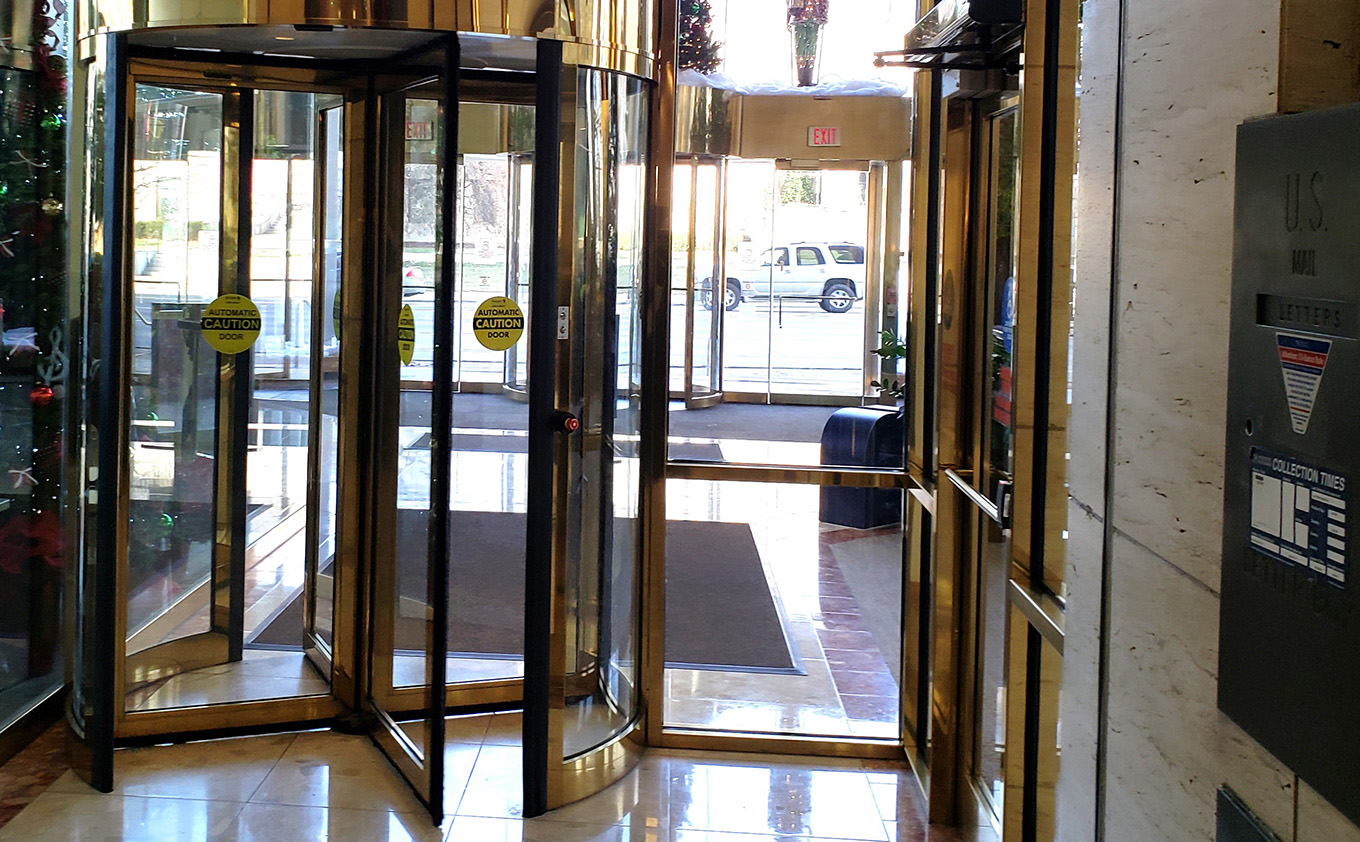
- Automatic Revolving Doors: Sensor-driven for hands-free entry, ideal for busy locations.
- Manual Revolving Doors: User-operated, cost-effective for lower-traffic entrances.
- Security Revolving Doors: Added access control features to protect sensitive areas.
- Specialty Revolving Doors: Custom or weather-resistant models for particular applications.
How Do Automatic Revolving Doors Operate in Commercial Settings?
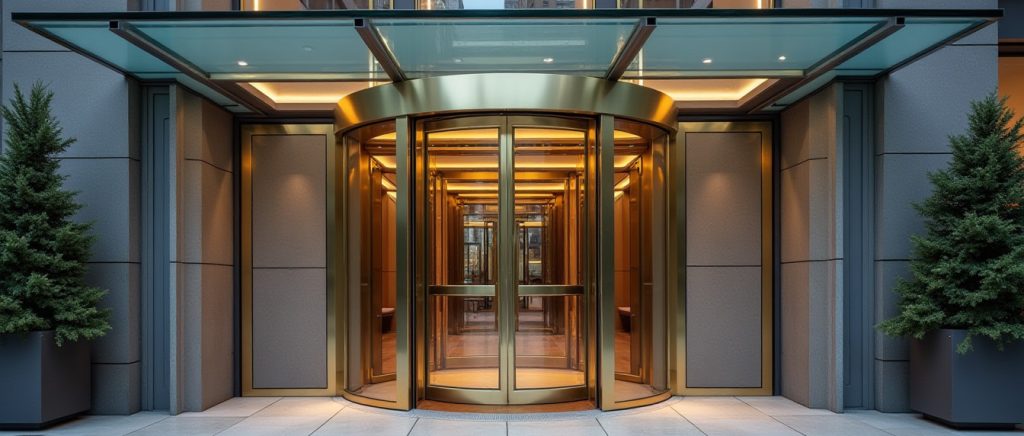
Automatic revolving doors use sensors and motors to start rotation as users approach, providing smooth, hands-free entry. This reduces air exchange with the outdoors and helps maintain steady foot traffic in busy lobbies.
What Are Manual and Semi-Automatic Revolving Door Options?
Manual doors require physical push and are economical for low-traffic points. Semi-automatic models include motor assistance for easier movement, offering a middle ground between manual and fully automatic systems.
What Are the Key Benefits of Commercial Revolving Doors?
Revolving doors deliver several advantages for commercial entrances, including:
- Energy Efficiency: They limit air exchange, helping stabilize indoor temperatures and reduce HVAC loads.
- Traffic Flow Improvement: Continuous movement reduces congestion and wait times.
- Security Enhancements: Controlled compartments and integration with access systems improve site security.
For businesses seeking improved entrances, the benefits are clear. The Door Company of Ohio, Inc. offers design, installation, and maintenance services to help capture these advantages.
How Do Revolving Doors Improve Energy Efficiency in Buildings?
By acting as a sealed barrier, revolving doors reduce conditioned air loss. Buildings with revolving doors often report notable energy savings compared with swinging doors, lowering utility costs and supporting sustainability goals.
Research further highlights revolving doors’ role in building thermodynamics and energy consumption.
Revolving Doors for Stack Effect & Energy Control
As a method to reduce the stack effect in high-rise buildings, revolving doors are often installed at lobby entrances. They can be effective on the floors where they are applied, but overall building efficiency may remain low because many alternate air flow paths exist. (Characteristics of revolving door use as a countermeasure to the stack effect in buildings, T Hwang, 2017)
What Security and Traffic Flow Advantages Do They Offer?
Revolving doors support one-person-per-compartment use, aiding controlled access and reducing bottlenecks. This combination helps manage flow for customers and staff while enhancing perimeter security when paired with readers or sensors.
How Should Commercial Revolving Doors Be Maintained for Safety and Longevity?
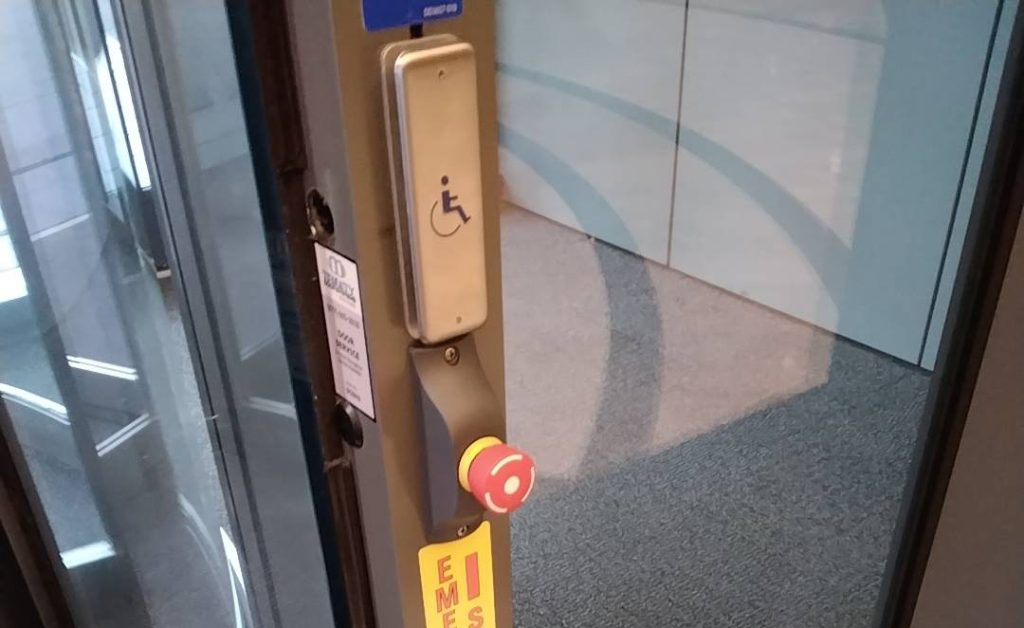
Routine maintenance keeps revolving doors safe and reliable. Regular inspections and preventive servicing reduce repair costs and ensure doors meet safety requirements.
- Regular Maintenance Tips: Schedule inspections for mechanisms, seals, and safety systems; lubricate moving parts and address wear promptly.
- Safety Standards Compliance: Confirm doors meet ADA, fire, and other applicable safety standards.
What Are Essential Revolving Door Maintenance Tips?
- Inspect mechanisms regularly for wear or misalignment.
- Keep surfaces and tracks clean to prevent debris-related issues.
- Test sensors, emergency stops, and other safety features on schedule.
Which Safety Standards and Compliance Requirements Apply?
Doors must comply with ADA specifications—such as clear widths and accessible operation—and may need fire certification to serve as emergency barriers. Follow local codes and manufacturer guidance to stay compliant.
What Should Ohio Businesses Know About Revolving Door Manufacturers and Local Regulations?
Ohio businesses should confirm local building rules for installing and maintaining revolving doors to ensure compliance and avoid fines.
Who Are Leading Revolving Door Manufacturers in Ohio?
Several Ohio-based manufacturers supply commercial revolving doors and custom solutions to fit different operational needs. Choose vendors with experience in local code compliance and ongoing service.
What Local Codes and Installation Services Are Relevant?
Installation must follow local building codes and inspections. Work with experienced installers who understand permits, code requirements, and routine maintenance planning to keep doors performing well.
Frequently Asked Questions
What are the energy-saving benefits of installing revolving doors?
Revolving doors reduce air exchange with the outdoors, which lowers HVAC load and can yield substantial energy savings compared with swinging doors, especially in extreme climates.
How do revolving doors enhance accessibility for individuals with disabilities?
ADA-compliant revolving doors include appropriate clearances and operation features to allow easy entry and exit, helping businesses meet accessibility obligations and serve all customers.
What factors should businesses consider when choosing a revolving door type?
Consider foot-traffic volume, security needs, initial budget, and whether automation or weather resistance is required. High-traffic lobbies typically favor automatic models.
What are the common maintenance issues faced by revolving doors?
Typical problems include worn mechanical components, misalignment, and faulty sensors. Regular inspections and cleaning of tracks and sensors prevent many faults.
How can businesses ensure compliance with local regulations for revolving doors?
Familiarise yourself with local building codes and safety standards, including ADA and fire rules. Use qualified manufacturers and installers and maintain scheduled inspections to remain compliant.
What are the advantages of using security revolving doors in commercial settings?
Security revolving doors control entry by permitting one person per compartment and can integrate with card readers or biometric systems to strengthen access control without blocking flow.
Conclusion
Understanding commercial revolving door types, benefits, and maintenance helps businesses choose solutions that improve efficiency, security, and user experience. Proper selection and ongoing service ensure doors deliver energy savings and reliable operation. Contact experienced providers to identify the right revolving door solution for your facility.