Custom vs Standard Doors: Choose the Right Fit
Picking the right commercial door balances performance, budget, and appearance. Should you choose custom or a standard off-the-shelf model? This guide compares core differences, pros and cons, and the factors to guide your decision — materials, design flexibility, security and fire ratings, and cost — so you can match a door to your facility’s needs. The Door Company of Ohio, Inc. supports both approaches.
What Are the Key Differences Between Custom and Standard Commercial Doors?
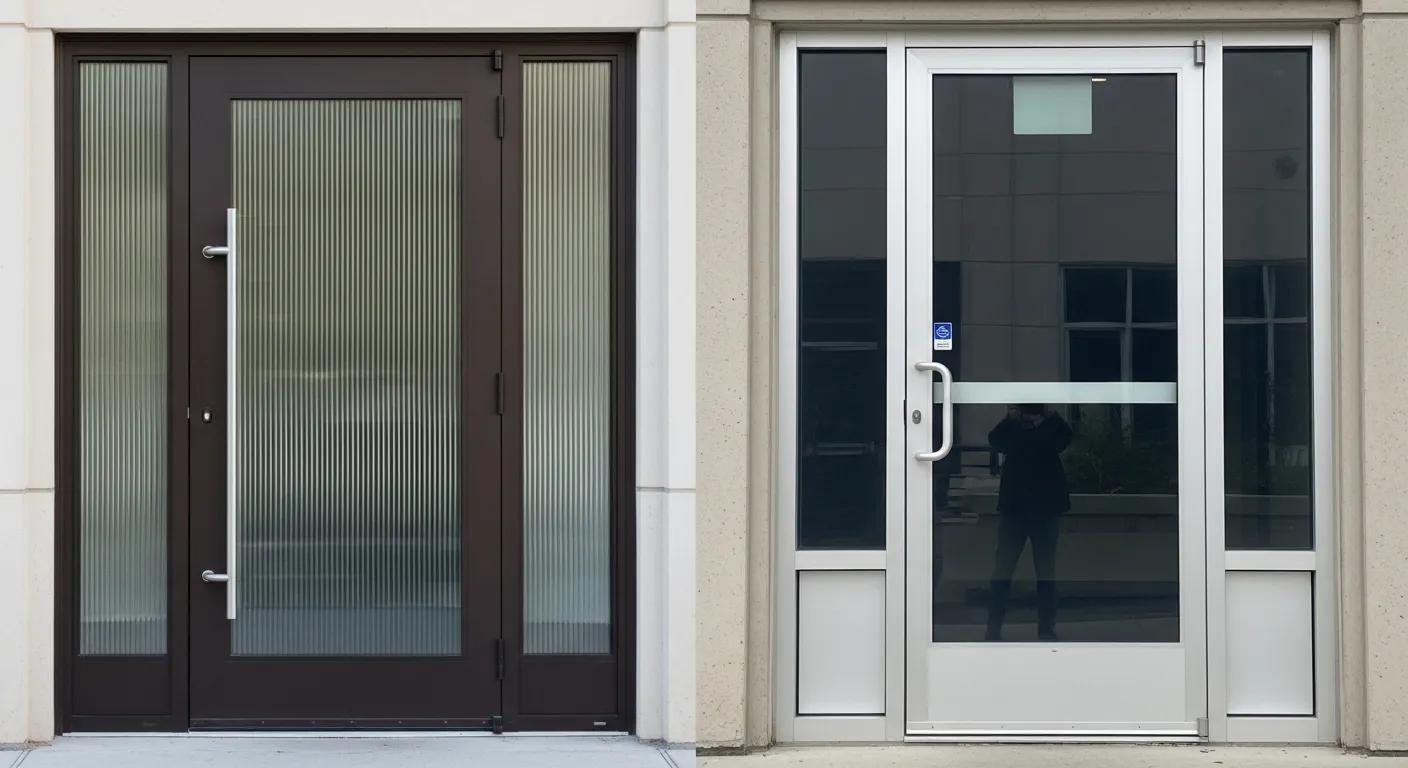
Both types serve the same function but differ in approach. Custom doors are built to your specifications — size, finish, hardware, and materials can be tailored. Standard doors are pre-manufactured in common sizes and styles; they’re quicker and usually less expensive but less flexible when you need a specific look or higher performance.
How Do Materials and Design Options Vary Between Custom and Standard Doors?
Material choices and design freedom are where custom doors stand out. You can specify steel, aluminum, wood, specialty finishes, glazing, and bespoke hardware to meet durability and aesthetic goals. Standard doors typically use common materials in set sizes and finishes, which reduces options but keeps costs and lead times predictable.
What Are the Typical Security and Fire Rating Features of Each Door Type?
Security and fire performance can be engineered into either type, but custom doors let you target higher thresholds. For advanced locks, reinforced construction, or specific fire ratings, a custom build can meet those needs. Standard doors generally meet typical security and fire-code requirements but may lack tailored features for specialized applications.
What Are the Benefits and Drawbacks of Custom Commercial Doors?
Custom doors deliver tailored performance and an appearance that matches your building, but they cost more up front and usually take longer to produce. The tradeoff is often a better fit, longer service life, and alignment with your brand or architecture.
How Does Customization Enhance Door Performance and Aesthetics?
Customization lets you specify materials, finishes, and components that improve durability, thermal performance, and visual impact. A purpose-built steel door, for example, can provide higher security and longer life while being finished to match your exterior — reinforcing both function and curb appeal.
What Are the Cost Considerations and ROI for Custom Doors?
Custom doors usually require a larger initial investment, but long-term value can outweigh the cost. Better materials and tailored construction often reduce maintenance and extend service life, helping avoid premature replacement. Consider total cost of ownership — initial price plus expected maintenance and lifespan — when evaluating ROI.
The Door Company of Ohio, Inc. specializes in custom commercial door solutions and helps clients select materials and features that maximize durability and visual consistency for project-specific needs.
What Advantages Do Standard Commercial Doors Offer for Businesses?
Standard commercial doors shine when speed and cost control matter. They’re widely available, straightforward to specify, and can be installed quickly, minimizing downtime and keeping budgets predictable.
How Do Standard Doors Compare in Durability and Maintenance?
Standard doors are built for common commercial demands and are typically robust enough for high-traffic areas. Their uniform design makes repairs and part replacement easier and often less expensive because components are readily available.
What Are the Typical Installation Options and Timelines for Standard Doors?
Installing a standard door is usually simple and fast. Depending on the project, installation can take a few hours to a couple of days, which is an advantage when operations can’t tolerate long shutdowns.
If you’re considering a standard door, The Door Company of Ohio, Inc. can provide service requests and estimates to help you compare options and timelines.
How to Choose Between Custom and Standard Commercial Doors for Your Project?
The right choice depends on project priorities: budget, timeline, appearance, performance, and code requirements. List what matters most for the door’s function and the building’s operation, then match those needs to what each door type delivers.
Which Door Types Best Meet Specific Industrial and Commercial Needs?
Use case drives selection. Manufacturing and secure storage facilities often prioritize durability and security — making custom steel doors a good fit. Retail and hospitality spaces may value appearance and customer experience, where custom designs or high-end standard doors can create the right impression.
How Do Compliance, Warranty, and Maintenance Impact Door Selection?
Compliance with local building codes, fire ratings, and accessibility rules is essential. Custom doors can be engineered to meet specific code or performance requirements; standard doors typically conform to general industry standards. Warranties and maintenance should factor into your decision because they affect lifecycle cost and reliability.
Understanding these differences helps you select doors that meet both functional needs and budget realities. The Door Company of Ohio, Inc. works with clients to recommend the best path — custom or standard — for each project. For businesses seeking specialized solutions, commercial door design services offer tailored approaches to meet unique needs.
Frequently Asked Questions
What factors should I consider when deciding between custom and standard commercial doors?
Consider budget, timeline, performance (security, fire rating, insulation), aesthetic goals, and how the door will be used daily. Custom doors give control over fit and features; standard doors are faster and often less expensive. Also factor in maintenance, parts availability, and local code requirements.
How can I ensure that my custom door meets local building codes?
Work with an experienced manufacturer or installer who knows local regulations. They can design and document the door to meet safety standards, fire ratings, and accessibility rules. Confirm authority requirements early in the design process.
What are the typical lead times for custom commercial doors?
Lead times vary with complexity, materials, and supplier capacity. Expect a few weeks to several months for custom builds. Discuss schedules with your supplier up front to align production and delivery with your timeline.
Are there financing options available for purchasing custom commercial doors?
Many manufacturers and suppliers offer financing, leasing, or payment plans to spread costs. Ask your provider about options during initial discussions so you can find a plan that fits your budget and cash flow.
How do I maintain standard commercial doors to ensure longevity?
Regular inspections and preventative maintenance extend a door’s service life: check hinges, hardware, seals, and weatherstripping; clean surfaces to prevent corrosion; and address wear promptly. Follow the manufacturer’s recommendations and schedule professional service as needed.
What are the environmental considerations when choosing commercial doors?
Look for sustainable materials (recycled steel, responsibly sourced wood) and energy-efficient options with good insulation and seals. Properly specified doors can reduce energy use and operating costs. Ask suppliers about manufacturing practices and green certifications.
Conclusion
Knowing how custom and standard commercial doors differ helps you pick the best option for function, budget, and appearance. Custom doors provide tailored performance and a precise aesthetic; standard doors offer speed and predictable cost. Talk with experts early to align requirements with the right solution and get the most value over the door’s lifetime. Explore our commercial door options to find the fit for your project.