Find the Right Commercial Door for Your Facility
Your door controls access, protects people and stock, and creates first impressions. This guide summarizes security, codes, durability, and appearance to help you choose cost‑effective doors for your facility and operations. For design support, see our commercial door design services.
Security Features to Prioritize in Commercial Doors
Prioritize durable hardware, impact‑resistant construction, and clear access control to protect assets without slowing day‑to‑day operations. Recent studies show that facilities with integrated electronic access control systems experience up to a 40% reduction in unauthorized entry attempts compared to those relying solely on mechanical locks.
Locks and access control: how they protect your space
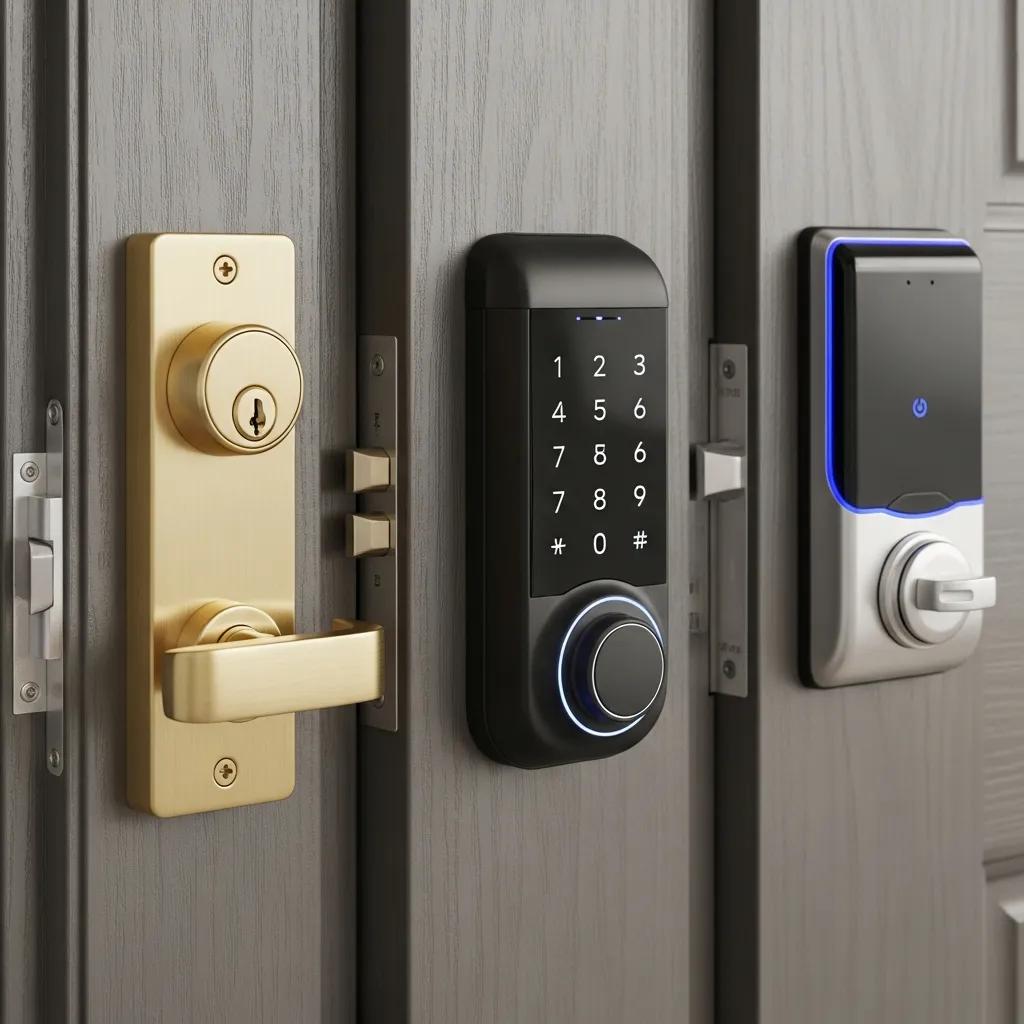
Mechanical deadbolts remain reliable; electronic and keyless systems add permissions, audit trails, and integrations—choose based on traffic, threat profile, and maintenance capacity. For example, facilities with high employee turnover benefit from keyless systems that allow instant revocation of access without rekeying physical locks.
Best materials for security and ongoing upkeep
Steel offers strong impact resistance, fiberglass lowers upkeep for customer‑facing entrances, and wood favors appearance—select materials that balance looks, maintenance, and security needs. Data indicates that steel doors can withstand over 1,000 impact cycles before showing significant wear, making them ideal for high-traffic or vulnerable areas.
Code Compliance in Ohio: What to Check
Verify applicable local building and fire codes before purchase or installation to avoid delays and costly rework. Ohio’s adoption of the International Building Code (IBC) and National Fire Protection Association (NFPA) standards means many commercial doors must meet stringent fire-resistance and egress requirements.
Which Ohio building and fire codes apply?
Ohio commonly adopts model standards such as the IBC and NFPA; confirm which openings need fire‑rated doors and follow manufacturer installation instructions. Fire-rated doors can provide up to 90 minutes of fire resistance, critical for protecting evacuation routes and limiting property damage.
How ADA standards affect your door choices
ADA rules affect clear width, maneuvering space, hardware, and opening force—typical minimums include a 32‑inch clear width; check site‑specific compliance. Research shows that compliant doors improve accessibility for over 61 million Americans with disabilities, enhancing inclusive and legal compliance.
Durability Factors: What Shortens or Extends Door Life
Door lifespan depends on material, frequency of use, environmental exposure, and preventive maintenance. Facilities that implement scheduled maintenance programs report up to a 25% increase in door service life.
Steel vs. Aluminum vs. Glass: durability at a glance
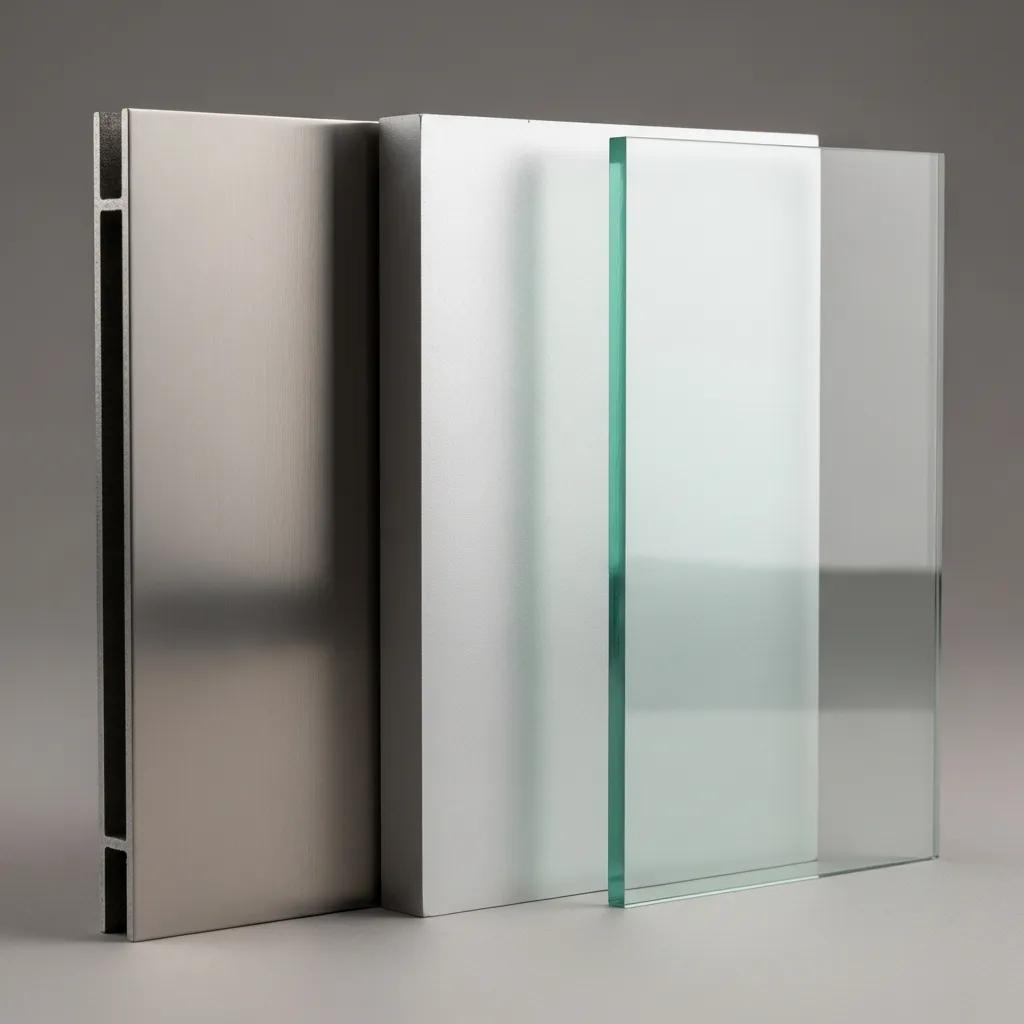
Steel resists impact and weather best; aluminum is lighter and more corrosion‑resistant; glass storefronts require tempered or laminated glazing and reinforced frames for heavy use. Studies indicate that aluminum doors in coastal environments can last 30% longer than steel without corrosion when properly treated.
Traffic, use, and their impact on lifespan
High traffic shortens service life—specify reinforced construction, heavy‑duty hardware, and a preventive maintenance schedule for lubrication and timely parts replacement. For example, doors in facilities with over 500 daily cycles benefit from reinforced hinges and automatic closers to reduce wear.
Choosing Door Types for Different Business Needs
Start with function—warehouse, storefront, office, or secure room—then select finishes and features that support that use. Incorporating energy-efficient and security-enhancing features can reduce operational costs by up to 15% annually.
Overhead, sliding, and hollow metal: where they work best
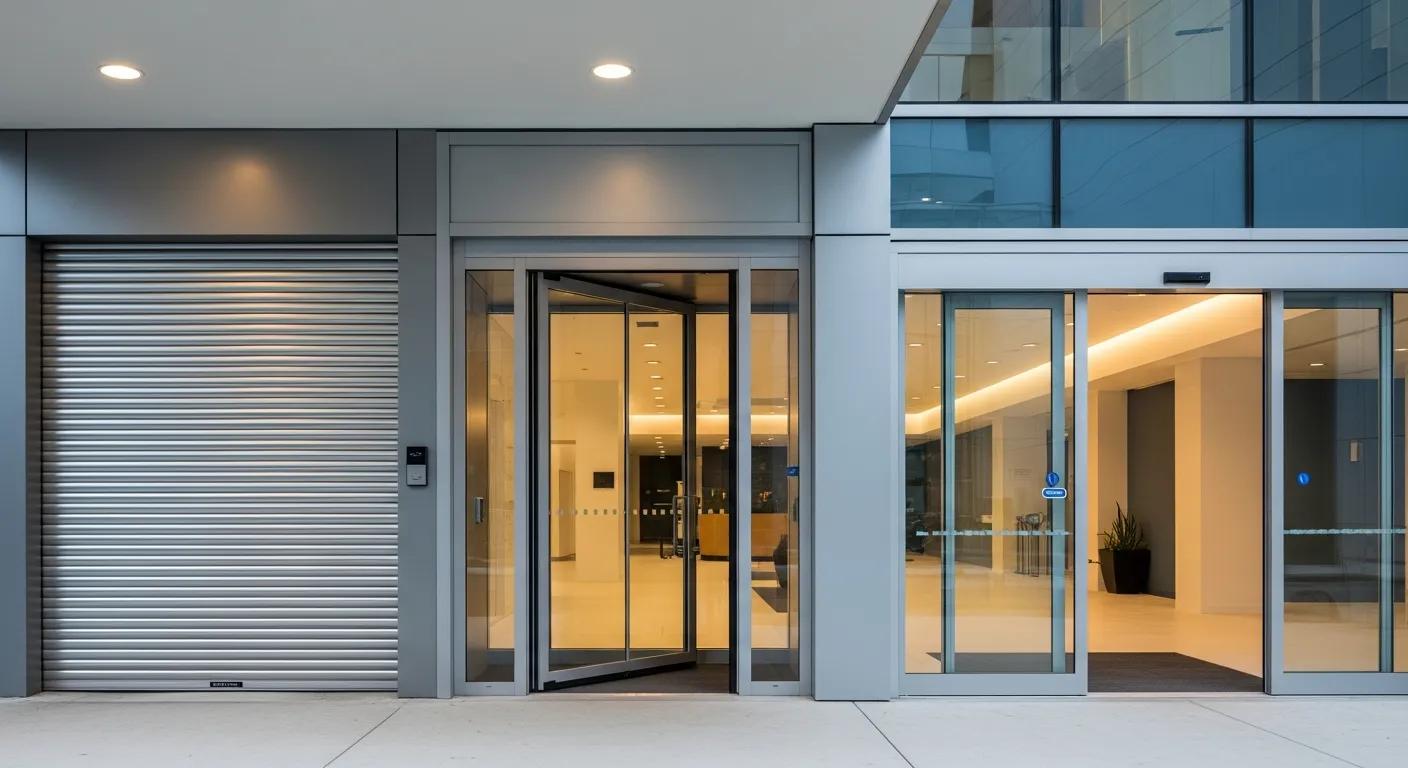
Overhead doors suit warehouses and loading docks; sliding systems save floor space and improve flow; hollow‑metal doors are typical where security or fire performance is required. Data shows that overhead doors with insulated panels can reduce energy loss by 20% compared to non-insulated models.
Energy efficiency and appearance: balancing cost and brand
Insulated doors reduce HVAC costs and stabilize interior temperatures; choose a finish and profile that supports your brand while meeting thermal requirements. Thermal break technology in door frames can improve R-values by up to 50%, significantly enhancing energy performance.
Balance security, code, durability, and intended use so doors protect assets, operate reliably, and present the image you want.
Frequently Asked Questions
What are the common types of commercial doors available?
Common options include overhead, sliding, hollow‑metal, and glass storefront doors—select by function and environment.
How do I determine the right size for my door?
Measure the rough opening, consider traffic and applicable codes, and consult a professional for complex or code‑sensitive projects.
What are the energy efficiency options for doors?
Use insulated panels, full‑compression weatherstripping, thermal breaks, and fast‑closing operators to reduce HVAC load.
How can I ensure my door is compliant with local building codes?
Research local regulations, check product certifications and labels, and work with installers familiar with your jurisdiction.
What are the benefits of using reinforced doors in high-traffic areas?
Reinforced doors resist impact and wear, reduce repair frequency, and extend service life in busy openings.
What should I consider when selecting door hardware for my commercial interior doors?
Choose hardware that matches security needs, durability expectations, and frequency of use; prioritize proven locksets, hinges, and closers.
How can I improve the aesthetic appeal of my commercial doors?
Customize finishes, colors, glazing, and hardware to match your brand while maintaining performance requirements.
What are the key differences between door materials?
Steel is most impact‑resistant, aluminum is lightweight and corrosion‑resistant, wood offers warmth, and glass adds visibility—choose by security, maintenance, and environment.
How can I assess the security needs of my commercial interior door?
Evaluate location, value of contents, traffic patterns, and existing systems; consider a professional assessment for higher‑risk areas.
What are the advantages of using fire-rated doors in commercial buildings?
Fire‑rated doors slow the spread of fire and smoke, protect egress routes, and help meet code when installed per manufacturer instructions.
How do I choose the right door style for my business type?
Match style to function: glass and sliding systems for retail, overhead doors for warehouses, and hinged doors for offices.
What maintenance practices are essential for commercial doors?
Inspect for rust, loose hardware, damaged seals, and glazing; lubricate moving parts and replace worn components promptly.
Can I customize the appearance of my commercial doors?
Yes—paints, powder coats, stains, and glass inserts are common; coordinate with suppliers to preserve required ratings.
What should I consider when installing automatic commercial doors?
Account for traffic volume, ADA access, security needs, operator capacity, and a service plan for regular maintenance.
What factors should I consider when selecting a door?
Consider security features, material durability, local codes, traffic volume, environment, maintenance capability, and energy efficiency.
How do I ensure my door meets ADA compliance?
Verify clear width, maneuvering space, allowable opening force, and accessible hardware; a certified installer can confirm compliance.
What are the benefits of using automatic doors in commercial settings?
Automatic doors improve accessibility, speed customer flow, reduce energy loss, and can integrate with access control systems.
How can I enhance the security of my commercial doors?
Use quality locks and access control, impact‑resistant materials, reinforced frames, and a routine inspection and repair schedule.
What types of finishes are available for commercial doors?
Finishes include paint, powder coat, anodizing, stains, and clear coats; many suppliers offer custom color matching.
What should I do if my door is damaged?
Inspect promptly; minor cosmetic damage may be repairable, but frame, threshold, or lock damage usually requires professional service.
What is the average lifespan of commercial doors?
Well‑maintained steel doors can exceed 30 years, aluminum doors often last around 20 years, and glass systems typically last 10–15 years.
How can I improve the energy efficiency of my commercial doors?
Add insulated panels, high‑quality seals, thermal breaks, and rapid‑closing operators; repair or replace damaged seals quickly.
What are the maintenance requirements for commercial doors?
Maintain a schedule of inspections, lubrication, seal checks, and surface refinishing to prevent deterioration and minimize downtime.
Are there specific door types recommended for retail environments?
Retail spaces often use glass doors and sliding systems for visibility and flow—use reinforced glazing and strong locks for security.
What role do commercial doors play in fire safety?
Properly rated and installed fire doors limit the spread of flame and smoke and provide crucial evacuation time when combined with compliant hardware.
How do I choose the right door for a high-traffic area?
For heavy use, specify durable materials (often steel), heavy‑duty hardware, reinforced frames, and a preventive maintenance plan.
Conclusions
- Right commercial doors tighten security, lower operating costs, and support facility performance and curb appeal.
- Match doors to your business needs and local codes; consult a supplier or installer for tailored recommendations.
- Experienced professionals can help with specification and installation to ensure proper performance.
- Select doors based on materials, code compliance, and operational needs to ensure protection and reliable operation.
- Choosing the right commercial doors enhances security, energy performance, and appearance—collaborate with experienced professionals to find the best fit for your business.
About Us
Our team of commercial door experts brings decades of experience in security, building codes, and facility operations. We are committed to providing accurate, practical guidance to help you select the best doors for your business needs. Our professionals include certified installers, security consultants, and design specialists dedicated to ensuring your commercial doors meet the highest standards of safety, durability, and aesthetics.
For personalized assistance, please visit our About Us page or contact our experts directly through our website.